Mount Elizabeth Novena Specialist Centre
Parkway East Medical Centre
1 Farrer Park Station Road, Connexion

Tag: orthopaedic clinic singapore

Post
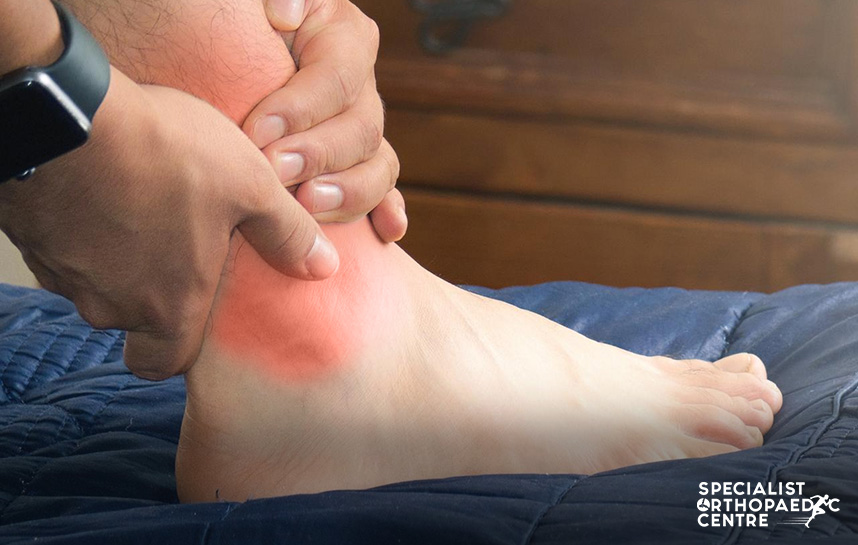
Key Takeaways Deep sleep promotes tissue repair and reduces inflammation, speeding up ankle injury recovery. Poor sleep quality can heighten pain sensitivity and delay healing, potentially causing lower back issues. Simple steps like pain management, bedtime routines, and sleep-friendly environments can significantly improve recovery outcomes.   When you're dealing with an ankle injury, it's easy to focus all your attention on the pain, swelling, or limited mobility. But here's something most people don’t realise—your sleep quality during recovery plays a surprisingly big role in how fast (and how well) you heal. In fact, there’s a strong connection between poor sleep, prolonged pain, and even unexpected issues like lower back problems. Let’s explore how sleep and healing are more closely linked than you think, and why taking your bedtime seriously is just as important as rest, ice, compression, and elevation. 1. The Role of Sleep in Tissue Repair and Inflammation Reduction During the deeper phases of sleep, particularly slow-wave sleep, your body releases growth hormones that are crucial for repairing damaged tissues. These hormones stimulate cell regeneration, muscle repair, and even help regulate the inflammation process. So if you’ve recently twisted your ankle or are recovering from a more serious foot injury, getting enough restorative sleep could actually speed up your healing. This doesn’t just benefit your ankle—it helps reduce strain on other parts of your body too, like your hips and lower back, which may be compensating for your altered posture.  A trusted foot and ankle specialist will often recommend a multi-pronged approach that includes good sleep as part of your recovery toolkit. 2. How Poor Sleep Can Prolong Pain and Delay Healing On the flip side, when your sleep quality is disrupted, due to pain, stress, or discomfort, your body has fewer opportunities to release those healing hormones. Studies show that lack of sleep heightens your body’s pain perception and reduces pain tolerance. This means that even minor ankle injuries can start to feel much worse over time. The imbalance caused by limping or shifting your weight may start to affect your gait, eventually straining your lower back and other joints. It’s a domino effect: the longer your recovery takes, the more chances your body has to develop compensatory patterns that can lead to chronic pain. Your orthopaedic doctor may even ask about your sleep habits during your visit—not because they're making small talk, but because it's a vital clue to how well you're healing. 3. Tips to Improve Sleep Quality During Injury Recovery Improving your sleep quality doesn’t have to be complicated. Here are a few simple strategies to try: Establish a bedtime routine: Stick to a regular sleep schedule, even on weekends. Manage pain proactively: Take prescribed pain medication or use hot/cold therapy before bed to minimise discomfort. Create a sleep-friendly environment: Keep your bedroom dark, cool, and free from distractions. Elevate your ankle: Use pillows to support your injured foot and keep swelling down while you sleep. Limit screen time: Avoid phones or tablets at least 30 minutes before bed to encourage melatonin production. Following these steps can enhance your sleep quality and help you wake up feeling more refreshed, ready for another day of healing. 4. When to Seek Medical Help for Sleep Problems During Recovery If you're still tossing and turning after a few weeks, or if your pain seems to be getting worse at night, it might be time to speak to a medical professional. Persistent insomnia, sharp pain that wakes you up, or mental fatigue could signal that your recovery isn’t on the right track. An orthopaedic surgeon may collaborate with a pain management team or recommend additional therapies to support your healing. At our orthopaedic clinic in Singapore, the care you receive should address not just your physical injury but your overall recovery experience, including how well you sleep. Sleep isn’t just a passive state—it’s a critical part of recovery. Whether you’ve suffered a minor sprain or are dealing with a post-surgical injury, improving your sleep quality can help reduce inflammation, shorten healing time, and even prevent secondary issues like lower back pain. So tonight, don’t just rest—recover smarter. Prioritise your sleep, and your body will thank you for it. Book a consultation with us to know more! 
Post
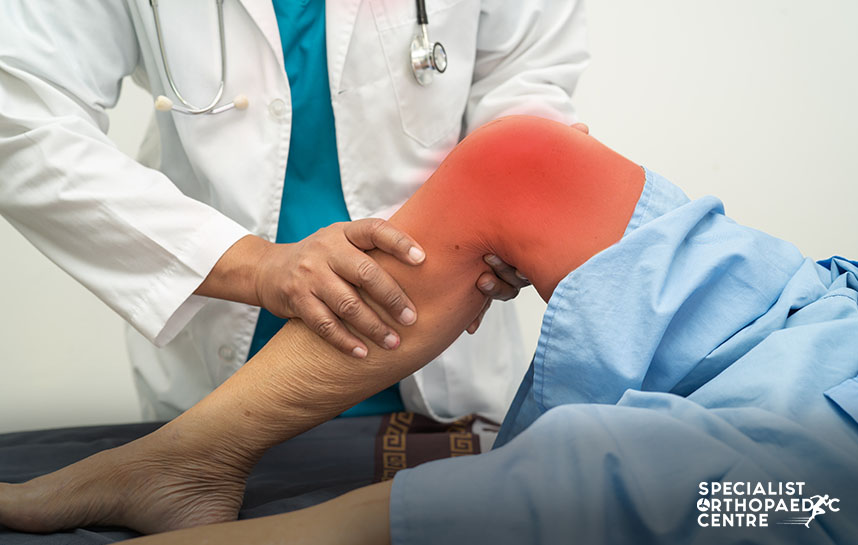
An ACL (Anterior Cruciate Ligament) tear is a common injury, especially among active individuals or athletes involved in high-impact sports. A torn ACL can cause knee instability, making movement difficult and impacting daily activities, which may require an ACL ligament tear surgery for a full recovery. This article explains what to expect from the surgery, the recovery process, and how strengthening exercises can help prevent future injuries. ACL Surgery Procedure When ACL ligament tears are significant, surgery is often recommended to restore knee stability. The procedure typically involves reconstructing the damaged ligament using a graft from the patient’s own tissue or, in some cases, a donor. ACL reconstruction is usually performed at an orthopaedic clinic using minimally invasive arthroscopy, which involves small incisions and a camera to guide the surgeon. This approach leads to less scarring and a faster recovery compared to traditional open surgery. A surgeon will evaluate the injury and suggest the most suitable surgical approach based on the individual’s condition. Recovery Timeline Recovery from ACL ligament tear surgery is gradual. While healing timelines vary, full recovery typically takes several months. In the early stages, rest and managing swelling are essential. As recovery progresses, physical therapy plays a key role. Through structured rehabilitation exercises, strength and mobility are rebuilt, helping restore knee function and prepare for activity. Although returning to sports or strenuous physical activity may take time, sticking to the recovery plan is crucial for long-term knee health. Post-Operative Rehabilitation Rehabilitation after ACL ligament tear surgery is necessary for rebuilding strength and stability in the knee. The process usually starts with gentle range-of-motion exercises to prevent stiffness. As recovery continues, strengthening exercises focusing on the muscles around the knee, such as the quadriceps, hamstrings, and calves, are introduced. These exercises help stabilise the knee joint and prepare it for physical activity. Staying committed to the rehabilitation plan is essential—skipping rehab or returning to activity too soon can result in setbacks or reinjury. Knee Strengthening Exercises for Prevention While surgery can aid recovery from an ACL tear, prevention is the most appropriate approach. Strengthening the knee before injury can significantly reduce the risk of a tear. Exercises that target the quadriceps, hamstrings, and core are crucial for knee stability. Squats and lunges effectively work these muscles, while hamstring curls help improve muscle balance and joint function. Regularly incorporating these exercises into your fitness routine can maintain knee strength and resilience, lowering the likelihood of an ACL injury in the future. Incorporating Balance and Stability Training Balance training is another important part of both preventing and recovering from ACL injuries. Exercises that improve balance and body awareness can help the body react better to sudden movements and changes in direction. Simple exercises, such as single-leg stands or using a stability ball, improve joint control and reduce the risk of an ACL tear. By training the body to maintain stability during unexpected movements, active individuals can strengthen their knees and lower the chance of injury.   An ACL ligament tear can disrupt daily life, but recovery is possible with proper treatment and rehabilitation. A comprehensive approach, including ACL ligament tear surgery, strengthening exercises, and balance training, is vital for effective recovery and injury prevention. If you're managing an ACL tear or want to prevent future knee injuries, consulting with an orthopaedic surgeon in Singapore is a sensible first step. At Specialist Orthopaedic Clinic, we are dedicated to providing care and guidance throughout your recovery journey.  Schedule a consultation with us today.  
Post
Keeping our bones and muscles strong is essential for good health and mobility, particularly as we age or stay active. Recognising the important link between nutrition for bone health and leg strength can help us make better dietary choices that promote overall well-being. In this article, we'll explore the essential nutrients that significantly impact bone density and muscle function, highlighting how proper nutrition can enhance your leg health and support your body's needs. Calcium and Vitamin D Calcium and vitamin D are vital for promoting bone health. Calcium is a key mineral that strengthens bones, while vitamin D helps your body absorb calcium effectively. Without enough of these nutrients, bones can weaken, leading to issues like osteoporosis. To boost your calcium intake, include dairy products, leafy greens, and fortified foods in your diet. For vitamin D, aim for sun exposure and enjoy fatty fish or fortified cereals. Prioritising these nutrients can help support bone density and keep your legs strong. Protein for Muscle Maintenance Protein is vital for maintaining muscle mass, which is essential for strength and mobility. As we age, our bodies require adequate protein to prevent muscle loss, a condition known as sarcopenia. Incorporating high-quality protein sources like lean meats, eggs, dairy, legumes, and nuts into your meals can help keep your muscles functioning well and aid recovery after physical activities. This is especially important for those who are active or in rehabilitation. A balanced intake of protein can greatly enhance strength and support everyday movement. Micronutrients and Bone Density Micronutrients, like magnesium and vitamin K, are vital for bone density and leg health. Magnesium helps convert vitamin D into its active form, which is necessary for calcium absorption. To boost your nutrition for bone health, include magnesium-rich foods such as nuts, seeds, whole grains, and leafy greens in your diet. Meanwhile, vitamin K, found in green leafy vegetables and fermented foods, supports bone mineralisation and strength. Consulting with a foot and ankle specialist can provide additional insights into how these nutrients contribute to your overall health and mobility. Hydration and Joint Function Hydration is often overlooked but is essential for optimal joint function. Proper hydration helps lubricate your joints, reducing friction during movement and supporting overall leg function. When you’re dehydrated, you might experience joint stiffness and discomfort, which can make physical activity more challenging. It's important to drink enough water throughout the day, especially if you’re exercising intensely or living in a hot climate. Alongside balanced nutrition for bones and muscle, a well-hydrated body not only promotes joint health but also boosts your overall performance and mobility. Incorporating essential nutrients into your diet can have a significant impact on your bones and muscles. By prioritising calcium, vitamin D, protein, and micronutrients and staying well-hydrated, you can optimise your leg strength and overall mobility. Understanding the role of nutrition in bone and muscle health is crucial for everyone. If you’re looking for more guidance on maintaining a healthy system, visiting an orthopaedic clinic can provide valuable insights and support. Are you ready to take control of your well-being? At the Specialist Orthopaedic Centre, we’re committed to helping you achieve optimal strength and mobility through personalised care and guidance. Whether you want to enhance your nutrition, manage existing conditions, or simply learn more about improving your overall well-being, our team is here to support you every step of the way. Contact us today to schedule a consultation and discover how our comprehensive range of services can help you live a healthier, more active life.
Post
Imagine going for a morning run, feeling energised and motivated, but halfway through, a sharp pain shoots up the back of your ankle. You try to shake it off, but the discomfort lingers, making each step more painful than the last. What you’re likely experiencing is Achilles tendonitis, a condition caused by inflammation of the Achilles tendon — the largest tendon in your body, connecting your calf muscles to your heel bone. One of the main factors that can influence both the onset and management of Achilles tendonitis is the type of footwear you use. Here’s why.  1. Achilles Tendonitis: The Role of Footwear When it comes to Achilles Tendonitis treatment, the right shoes can offer critical support to the tendon, alleviate discomfort, and help prevent further damage. Therefore, when shopping for suitable shoes, pay close attention to the following features: Arch Support: Shoes with good arch support help maintain the natural alignment of the foot, which can alleviate stress on the Achilles tendon. This is particularly important for individuals with flat feet or high arches, as the right footwear helps minimise strain on the tendon and prevent discomfort. Cushioning: Proper cushioning absorbs impact forces during walking or running, reducing the shock that travels up the foot and into the Achilles tendon. Footwear with responsive cushioning, especially in the heel and midsole can help mitigate pain and discomfort associated with tendonitis. Heel Height: Shoes with a slightly elevated heel (around 10-12mm) aid in reducing the stretch on the Achilles tendon, preventing excessive tension. However, excessively high heels or flat shoes should be avoided, as they can exacerbate the condition by placing additional pressure on the tendon. 2. Footwear Considerations for Athletes Athletes are particularly susceptible to Achilles tendonitis due to the repetitive stress placed on their tendons during training and competition. To lessen the risk of developing or aggravating this condition, athletes should invest in specialised athletic footwear designed to support the unique demands of their sport. Running Shoes: For runners, shoes that provide a balance of support, cushioning, and stability are crucial. Look for running shoes with a slight heel lift and firm arch support to reduce tension on the Achilles tendon. The cushioning should be responsive enough to absorb the repetitive impact forces of running, particularly in the heel area. Cross-training Shoes: Athletes engaging in high-impact sports or varied activities should opt for cross-training shoes. These shoes typically offer reinforced arch support, flexible soles for multi-directional movement, and cushioned midsoles to minimise tendon stress. Basketball or Soccer Shoes: For sports that involve sudden accelerations, decelerations, and frequent jumping, shoes with ample cushioning, ankle support, and heel stability are essential. A good athletic shoe should reduce excessive foot movement within the shoe, preventing overexertion on this particular tendon.   3. Custom Orthotics and Shoe Modifications For individuals who are already suffering from this condition, custom orthotics and shoe modifications can offer a more tailored solution to support recovery.  Custom Orthotics: Orthotics are specially designed insoles or inserts that address specific foot mechanics, offering improved alignment and shock absorption tailored to individual needs. These custom inserts are particularly beneficial for those with biomechanical abnormalities such as overpronation (excessive inward rolling of the foot) or supination (outward rolling). They provide targeted arch support and cushioning that can realign the foot, reducing tension on the Achilles tendon.  Heel Lifts and Wedges: Another effective modification involves adding heel lifts or wedges to footwear. By slightly elevating the heel, heel lifts reduce the amount of stretching the Achilles tendon must endure, alleviating pain. This modification is especially helpful during the acute phase of Achilles tendonitis when minimising tendon strain is needed for healing. Shoe Modifications: Modifications to footwear, such as replacing insoles or adding custom padding, can also help distribute pressure more evenly across the foot. Specialised shoes with rocker soles, which encourage a smoother heel-to-toe transition, can reduce the load on the Achilles tendon when walking or running. The impact of footwear on this common condition cannot be overstated. Whether you're an athlete or someone dealing with tendonitis due to everyday activities, selecting the right footwear can prevent further injury and ease discomfort.  So if you’re experiencing symptoms of this injury or looking for expert advice on the best footwear options for your needs, don’t hesitate to reach out to the Specialist Orthopaedic Centre. Our in-house orthopaedic doctor is here to provide personalised assessments and treatment plans that prioritise your comfort and mobility. Contact our orthopaedic clinic today to schedule your consultation and take the first step towards a pain-free lifestyle!
Post
Plantar fasciitis is a prevalent lower limb condition that can send discomfort straight to the bottom of your heel. This is caused by an inflammation of the plantar fascia, a connective tissue band between your heel bone and toes.  Join us as we unravel four common misconceptions about plantar fasciitis, shedding light on the realities of this condition. Misconception 1: Plantar Fasciitis Only Affects Older People One of the more common myths surrounding plantar fasciitis is that it is a condition reserved for the elderly. In reality, age is just one factor, and this condition can affect individuals across different age groups. Orthopaedic doctors have seen athletes, professionals, and anyone who spends extended periods on their feet grappling with the discomfort of plantar fasciitis. This misconception often stems from the wear and tear that occurs naturally with age, but it is crucial to recognise that overuse or strain on the feet can also trigger plantar fasciitis at any age. Seeking prompt medical attention and understanding preventive measures can be beneficial for anyone.  Misconception 2: Plantar Fasciitis Is Permanent While it can be a persistent issue for some, many individuals experience significant relief with the right treatment at an orthopaedic clinic in Singapore and lifestyle adjustments. Learn more: When Do I Need To Visit An Orthopaedic Clinic In Singapore? Orthopaedic doctors offer tailored solutions for managing and alleviating plantar fasciitis symptoms. From customised orthotics to physical therapy, there are effective interventions that can make a significant difference.  Misconception 3: Plantar Fasciitis Will Recover on Its Own Some believe that time alone can heal plantar fasciitis. It is true that having sufficient rest is undoubtedly important, relying solely on the passage of time may not bring complete relief. Ignoring the symptoms and assuming they will vanish on their own can lead to prolonged discomfort and potential complications. As such, timely intervention and targeted treatments are pivotal for a speedier recovery. From gentle stretching exercises to specific footwear recommendations, an orthopaedic doctor can guide you through a comprehensive recovery plan.  Misconception 4: Plantar Fasciitis is Always Accompanied by Swelling Unlike some medical conditions where swelling is a hallmark symptom, plantar fasciitis does not universally manifest in noticeable foot swelling. A primary and more consistent indicator of the condition is pain. Individuals with plantar fasciitis often experience sharp or stabbing pain, particularly during the first steps taken in the morning or after extended periods of inactivity. It is essential to consult with an orthopaedic doctor for an accurate diagnosis and appropriate management strategies to lessen the impact of the pain on daily activities.  Happy Feet, Healthy Steps With the right approach, plantar fasciitis does not have to be a lifelong companion. Seek professional guidance, debunk the myths, and take proactive steps towards a pain-free journey on your feet. At Specialist Orthopaedic Clinic, our commitment extends to empowering you with accurate information. Dr Kannan Kaliyaperumal, our resident orthopaedic doctor, will also work with you to develop a comprehensive treatment plan which may include targeted exercises, customised orthotics, and lifestyle adjustments. Get in touch to find out more.
Post
In Singapore, where sports and an active lifestyle are prevalent, the risk of Anterior Cruciate Ligament (ACL) injuries is a constant concern. ACL injuries, which primarily affect the knee joint, are both common and complex. These injuries have the potential to disrupt the daily routines of individuals, from passionate athletes to everyday sports enthusiasts.  Learn more: 7 Factors That Put You At Risk Of Suffering From A Knee Injury If you are dealing with or want to learn more about ACL injuries, this article aims to shed light on the different types and treatment options available when you visit an orthopaedic clinic in Singapore. Types of ACL Injuries and Their Treatments 1. Grade 1 – Mild Stretches With Adequate Stability Grade 1 injuries represent the mildest end of the spectrum in the world of ACL injuries. At this stage, the ACL  is mildly stretched but it still manages to provide a degree of stability to the knee joint. Individuals with Grade 1 injuries often experience less severe symptoms compared to higher-grade injuries, but understanding and managing these cases are equally important. Patients typically report mild discomfort or pain in the knee, often described as a nagging ache rather than intense pain. While the swelling is generally less pronounced than in more severe injuries, some degree of swelling may still be present. Individuals may occasionally feel that their knee is not as stable as it should be, especially during physical activities. Luckily, in many cases, Grade 1 ACL injuries can be managed non-surgically at home and an orthopaedic clinic: Rest: The knee needs time to heal so reducing strain on the knee can aid in the recovery process. Physiotherapy: Physiotherapy aims to strengthen the surrounding muscles and improve joint stability. A physiotherapist can guide the patient through exercises that target these specific goals. Bracing: A knee brace may be suggested to provide additional support and stability while the ligament heals. Pain Management: Pain relievers may be prescribed to help manage discomfort during the recovery phase.  2. Grade 2 – Stretched and Partially Torn Ligaments At this stage, the ACL is not just stretched but also partially torn. While these injuries are relatively rare, they demand a more in-depth understanding and careful consideration for appropriate treatment. While a Grade 2 injury is relatively rare since most ACL injuries are accompanied by complete or near complete tears, it is still necessary to see an orthopaedic doctor near you early for diagnosis and treatment.  Patients with Grade 2 ACL injuries typically experience more noticeable swelling in the knee. Pain is also more pronounced, often described as a moderate to sharp pain around the knee joint which can hinder daily activities and physical performance. The feeling of instability in the knee is heightened and daily activities like walking and running may become challenging as the knee is less stable.  The management of Grade 2 ACL injuries is more complex than Grade 1 injuries and may involve a combination of non-surgical and surgical approaches:  Non-Surgical: Some Grade 2 injuries can be managed non-surgically, especially if they do not significantly impair the individual's daily activities. This approach typically includes a structured physiotherapy programme to strengthen the knee and bracing to improve stability. ACL Surgery: For individuals experiencing persistent instability, who have specific performance needs (e.g., athletes), or wish to prevent further damage, surgery may be recommended. Surgical options often involve ACL reconstruction, where a graft is used to replace the torn ligament, restoring stability and function. Pain Management: Pain relief measures, such as medication and cold compresses, are often used to alleviate pain and swelling associated with Grade 2 injuries. 3. Grade 3 – Complete Tear of the ACL Grade 3 ACL injuries are the most severe. They occur when the ACL is torn completely in half and the ligament can no longer provide stability to the knee joint. Grade 3 injuries require immediate attention at an orthopaedic clinic in Singapore and comprehensive treatment. The pain experienced in Grade 3 ACL injuries is often intense and may radiate throughout the knee joint, making it challenging to bear weight on the affected leg. The knee can also become notably swollen shortly after the injury. Furthermore, the knee's stability is severely compromised and individuals may find it nearly impossible to bear weight or move the knee without it buckling or giving way.  Grade 3 ACL injuries usually necessitate surgical intervention to restore knee function and stability. Treatment options include: ACL Surgery: ACL reconstruction surgery is the primary approach for Grade 3 injuries. During this procedure, the torn ACL is replaced with a graft, typically taken from another part of the patient's body or from a donor source. This graft is used to create a new ACL, providing stability to the knee joint. Pre-Surgery Stabilisation: Prior to ACL tear surgery, individuals may be required to wear a knee brace to stabilise the joint and prevent further damage. Physiotherapy: After surgery, a comprehensive physiotherapy programme is crucial for recovery. It helps to strengthen the knee and surrounding muscles, improve range of motion, and restore functionality. Pain Management: Medications will be prescribed to help patients manage post-operative pain. Rebuilding Knees, Rebuilding Dreams The severity of the injury, diagnosis, and individual goals play a significant role in determining the right treatment approach. It is advisable to consult an orthopaedic doctor near you as soon as possible to take the first step towards recovery.  Dr Kannan Kaliyaperumal at Specialist Orthopaedic Centre is committed to helping patients get back on their feet after an ACL injury.  Get in touch with us to find out more.
Post
In this article, we will delve into what you need to know about geriatric fractures, including risk factors, types of trauma, symptoms, diagnosis, and treatment options. If you or a loved one are experiencing symptoms or have concerns about geriatric fractures, consulting an orthopaedic doctor in Singapore is a prudent step toward proactive care and prevention.
Post
For those grappling with persistent ankle pain and instability, the prospect of surgery can evoke both concern and hope. Luckily, medical advancements have birthed a minimally invasive technique: ankle arthroscopy. Using fibre optic cameras to diagnose and treat various ankle joint issues like an ankle ligament tear with precision, ankle arthroscopy offers a myriad of benefits.
Post
Your ankles are complex structures of tendons, muscles, and soft tissues that not only support the weight of your body, but also allow your feet to flex, move from side to side, and rotate. This complexity and range of motion is what causes ankle injuries to happen fairly frequently. Ankle pain can happen for a number of reasons ranging from inflammation from overuse, simple sprains to ankle fractures, which is the most severe form of injury which may require surgery. Ankle pain is a common symptom and risk factors include sports injuries or trauma. Read on to learn more about the different causes of ankle pain and tips to prevent injuries, reduce discomfort and the various treatment options. Bursitis Ankle bursitis is the inflammation of small fluid-filled sacs in your ankle called bursae. The bursa in your ankle help cushion the ankle joint and provide lubrication to make movement easier. When inflamed, there is usually pain and swelling in the ankle. Other symptoms include limping to avoid putting weight on your ankle, redness, and fever or chills in the rare case of infection. Ankle bursitis has overlapping symptoms with other conditions such as gout and hence it’s important to visit an ankle specialist in Singapore for an accurate diagnosis. Tendonitis Ankle tendons are bands of fibrous tissue that connect foot and ankle muscles to bones. They work together to support movement, balance, and stability while walking or running. Ankle tendonitis is a condition where these tendons become inflamed due to overuse, injury, or disease. Due to the high daily usage of our ankle tendons, they are some of the most common places to develop tendonitis. Presentation can be with swelling and limited range of motion of the ankle joint. A simple & effective solution for tendonitis due to overuse is to rest and ice the ankle joint. This should allow the inflamed tendon to heal. Ankle Sprains & Ligament Tears Ankle sprains occur when the ligaments, which connect bones to each other, overstretch or tear when forced into unnatural positions. The severity of ankle sprains can range from mild to severe. In most cases, a mild strain occurs when an ankle ligament gets overstretched and becomes tender, swollen. This can happen with a low velocity trauma like missing a step or a high velocity injury during a football game. However, signs that the ankle injury may be more than just a simple ankle sprain are: excessive pain, bruising and persistent swelling that does not settle within 3-5 days. In such a scenario, it is safer to consult a medical practitioner and perform further investigations like an X-ray, or a scan to exclude a bone injury, cartilage injury, ligament or tendon injuries of the ankle. In the more severe case of an ankle ligament tear, initial conservative treatment like ultrasound therapy, tendon strengthening and bracing can be tried. The usual time frame to heal a torn ligament is about 4 to 6 weeks, depending on the severity of the ligament tear. Non-healing ligament tears and patients who persist to have a loose ankle may require surgical treatment. Fractures Ankle fractures in Singapore commonly happen when the ankle sustains a twisting trauma during intense sports, running on uneven surfaces, or falling from a height. If a fracture is suspected, an X-ray or CT scan can help determine the severity of the injury. Immediate and severe pain is the first symptom of ankle fractures, along with swelling, bruising, and tenderness. There can also be numbness and deformity in some cases. Tips For Treating And Preventing Ankle Injuries Using The RICE Method RICE stands for Rest, Ice, Compression, and Elevation. It is a simple method of care for minor injuries that can reduce swelling, pain and speed up healing. RICE works best for mild pain or swelling in your ankle. It is best to ensure that there are no structural injuries to the ankle through some simple investigations with a specialist if the RICE method does not reduce the swelling. Maintain A Healthy Weight Increased weight puts more strain on all the different parts of the ankle and maintaining a healthy weight is ideal to prevent future injury. Strengthen Supporting Muscles There are simple exercises that can be practised at home to help strengthen your ankles and increase your range of motion. Doing so reduces the risk of ankle ligament tears as stronger, more flexible ankles are more resistant to getting hurt through normal usage. Pay attention to specific conditioning exercises that focus on ankle strengthening. Wear Supportive Footwear Certain kinds of supportive footwear have been found not only reduce the incidence of ankle injuries occurring, but can also help in the mechanics of the activities themselves. They help cushion the impact of running or walking and lower the likelihood of missteps twisting your ankle. Warming Up Properly conducted warm-up stretches that work and rotate the ankles prior to exercise may contribute to an overall lower risk of injuries occurring. The benefits of warming up include increasing blood flow to the feet and increasing flexibility and mobility in your joints. Visit An Orthopaedic Doctor If you have a mild ankle sprain then it’s perfectly fine to stay at home and rest by following the RICE methodology. Importantly, you should avoid putting too much weight on your feet until you have healed completely. However if your symptoms don’t show any improvements or if your foot is unable to bear any weight at all, then it’s best to visit an ankle specialist as soon as possible. Delaying the visit might aggravate the injury leading to more serious complications. If you lead an active lifestyle or play intense sports, then you’re likely to have experienced a minor ankle injury at some point. It’s important to keep in mind that without the right precautions, more serious injuries can occur which can severely impact your mobility and hinder your quality of life. At Specialist Orthopaedic Centre in Singapore, we offer a multitude of treatments and services for patients. Our tailored and personalised approach is aimed at increasing collaboration between doctor and patient and optimising recuperation. Get in touch with us via our Contact Us page to make an appointment or send us any queries you might have.

Post
Proper orthopaedic treatments can empower life-changing improvements to pain and injuries, helping you to get back on your feet and regain your quality of life. However, making the decision to see an orthopaedic surgeon can be both a blessing and a cause of anxiety at the same time due to the myriad of clinics and treatment options available. If you are looking for an orthopaedic surgeon in Singapore to explore the possibility of undergoing surgery or simply to seek an accurate diagnosis and conservative treatments, knowing how to pick the right doctor from the list is crucial. Here are some tips that will help you to make an informed decision – read on to find out more. 1. Ask for referrals Asking your friends, family, primary care doctor or healthcare professionals for referrals is one of the easiest ways to start your search for a dependable orthopaedic surgeon. Word-of-mouth recommendations by people you can trust are undoubtedly more reliable than a list of doctors you have found online, for instance. These people will be able to share more about their experience at the clinic, how the consultation went, and the treatment process with you to help you narrow down your choices. Even the simple feedback on clinic waiting time, front desk staff , appointment booking and post-surgical follow up care will shape your experience. 2. Research the surgeon’s credentials Just like how you would scour the internet to find as much information as possible before making a big purchase, the same should be done when it concerns your health. Hence, always research the orthopaedic surgeon’s credentials before making a decision. You want to be sure that the surgeon has the appropriate certifications and has no history of malpractice. The Singapore Medical Council website is a good platform to start with to ensure the surgeon you are considering is a registered specialist doctor, while the clinic’s website will offer valuable information about the surgeon’s credentials. Some specialists may claim to have had post basic training and it is important to research on these to ensure that the specialist has had the relevant hands-on sub-speciality fellowship training and not just an observership. 3. Consider the surgeon’s experience An orthopaedic surgeon who has been in practice for longer will be able to provide better advice and may even achieve more successful post-surgery results thanks to their years of experience. They will also be well respected by their peers with an extensive network of ancillary service providers like physiotherapists and insurance industry partners – which may make your patient journey smooth and pleasant. Certain surgeons also specialise in different areas of the musculoskeletal system – for example, if you require bunion surgery, visiting a foot and ankle specialist may be more beneficial for you. It is always advisable to choose a surgeon based on your current needs to receive optimal care and fulfil your desired outcome. 4. Read reviews While word-of-mouth recommendations are oftentimes more trustworthy than online reviews, the latter is still able to provide some insight into what you can expect from the clinic and orthopaedic surgeon. Take a look at reviews left on the clinic’s social media platforms and Google to have a clearer idea of what the overall experience is in terms of the doctors bedside manners, professionalism, surgical outcomes. It is important to note that these reviews are unsolicited and a clinic or its specialist may get both a good or a bad review – both of which are equally important in choosing a specialist. These factors play a part in shaping your treatment experience and should not be overlooked. 5. Check for insurance coverage Lastly, remember to check if the orthopaedic surgeon you have chosen is on the list of panel doctors your insurance covers. Different insurance providers have varying lists of panel doctors, so it is essential to ensure you are covered by the insurance before making an appointment. Most clinics can help to check on your coverage if you provide your insurance details over the phone or email. If that particular provider clinic is on an extensive panel of corporate and personal insurance panels, it means that the clinic is a trusted partner of the insurers with an excellent track record with the payers. The insurances generally have a strict criteria for empanelling doctors which includes parameters like charges, surgical outcomes and patient feedback. When in doubt, simply make a call to the clinic and the staff should be able to advise you. Make an appointment with Specialist Orthopaedic Centre today If you are looking for an experienced and trusted orthopaedic surgeon in Singapore, consider making an appointment with Specialist Orthopaedic Centre. Our resident doctor, Dr Kannan Kaliyaperumal, is a recognised surgeon in multiple insurance panels with a 5-star Google rating. Let him help you to relieve pain and get back to enjoying what you love today! Contact us to find out more!
Post
Noticed a tiny protruding bump that has formed on the joint at the base of your big toe? You are most likely suffering from bunion, a condition in which bones in the front part of your foot move out of place, resulting in a bump. You may also notice that the skin over the bunion appears red and sore. While the condition sounds serious, a bunion oftentimes does not require invasive medical treatment unless you are experiencing persistent pain, decreased movement of your big toe, or simply want to resolve it for cosmetic reasons. Despite bunions being fairly common and not always a cause for concern, there are still many myths surrounding the condition. Hence, we will be debunking them in this article to help you gain a deeper understanding – read on to find out more. 1. Wearing high heels causes bunions It is inaccurate to attribute high heels as the cause of bunions because not everyone who wears high heels end up developing the condition. However, prolonged wearing of high heels can force the weight of your body onto the ball of your feet. This increased pressure plus unnatural positioning of your toes may make your feet more susceptible and encourage the forming of bunions. Frequent wearing of high-heeled shoes may also exacerbate any underlying structural problems such as foot deformity and arthritis, making bunions develop quicker and progress faster. Persistent flexed position of the ankle also causes the big toe and the little toes to curl up and deviate, hastening the formation of a bunion deformity over the big toe. 2. Bunions are a hereditary condition Bunions form due to a combination of internal and external factors that cause instability and a bony protrusion at the joint of the base of your big toe. Hence, you may have inherited your parents’ feet with a shape and structure that are more prone to bunions forming, rather than inherited their bunions. Luckily, there are ways such as wearing comfortable shoes and doing exercises to strengthen your feet that can help to delay or prevent the bump from forming. A simple example will be familial flatfeet, where the mom, child or the aunt may have flexible flatfeet contributing to looser ankle or foot ligaments. This group of family members may be more prone to developing bunions. 3. All bunions are painful Contrary to popular belief, not all bunions cause pain and you may not even notice you have one until you examine your foot closely. Nevertheless, wearing tight and narrow shoes can cause some bunions to worsen and eventually become painful. If the long-standing bunion becomes symptomatic with pain, it is important to take note of the following – there could be bursal inflammation, erosion of the cartilage or a painful callosity at the bone protuberance.  If pain persists and discomfort becomes unbearable, it is advisable to see an orthopaedic surgeon in Singapore as soon as possible for a diagnosis and the appropriate treatment. 4. Bunion surgery is painful If you do decide to visit an orthopaedic surgeon for medical attention, there is the possibility of having to undergo bunion surgery. This surgical procedure involves correcting the deformity to relieve pain and realigning the shape of the foot. Modern surgical techniques and anaesthesia have allowed patients with bunion surgery to walk immediately post-surgery and go home the same day post procedure. Corrective bunion surgery may be worth your time and recovery period if it allows you to wear normal shoes and perform your daily activities or sports without pain, and especially with the recently available effective minimally invasive bunion surgery techniques. 5. Bunions will come back after surgery As much as we hope that bunions are kept at bay forever after surgery, there is a very small possibility for them to recur. Hence, the right surgical technique is needed to address various bunion deformities to lower the chances of recurrence. The probability of lifetime recurrence is slightly higher in a younger patient given that they take millions steps more in their lifetime compared to an older patient. However, recurrence depends very much on the severity of deformity, age of the patient and the technique of correction. You will most probably be asked to wear more accommodating footwear following bunion surgery so that your feet heal and adjust to the new shape. During this time, your orthopaedic surgeon will advise and guide you to prevent a recurrence from happening. Find out more about bunions at Specialist Orthopaedic Centre If your bunions are causing you pain and affecting your quality of life, do not hesitate to visit Specialist Orthopaedic Centre for diagnosis and treatment. Dr Kannan Kaliyaperumal is an experienced foot and ankle specialist surgeon who is well-trained in minimally invasive  bunion surgery, employing the latest techniques in treatment and will be able to provide you with personalised advice depending on your condition. Get in touch with us!
Post
Ankle sprains are a fairly common injury, especially when playing sports or exercising. Ankle joints are flexible enough and give you the range of movement required to run, jump, and change direction quickly. However, this versatility is also what leads to frequent sprains, as pushing your ankle ligaments beyond their limits can injure them easily. Once an ankle injury has been sustained, it is likely that you are out of commission for at least a couple of days and up to a few months. To avoid such scenarios, it can be beneficial to take certain precautions and preventive measures to lower the risks of ankle ligament tears. Improve Balance Poor balance can cause you to trip and fall more often and increase your risk of injury. Balance within your body comes from a few different factors and involves your sight, nervous tissues, and your vestibular system. Training your balance can be done through exercises like balancing on one leg, practising yoga poses, and doing knee lifts. Building Ankle Strength Training and building up ankle strength is a great way to minimise future injuries. Stronger, more flexible ankles mean greater stability, and control which can lead to a reduction of injuries during exercise. Ankle strengthening can be achieved through exercises like single-leg squats, lunges, and rubber band stretches. Using Ankle Brace or Sports Tape If you’ve ever suffered an ankle injury that required you to visit an orthopaedic clinic in SIngapore, you might have been recommended to wear an ankle brace or sports tape during exercise. Ankle braces and sports tape both work in similar ways. They restrict movement, reduce swelling, and provide stability and support during exercise or during recovery. Injured ankles are usually weaker and supporting them with braces or tape prevents recurrent injuries and allows your ankles time to recover back up to full strength. Wear the Right Shoes Are you an avid runner or sports enthusiast? You might find that your shoes are wearing out quicker than you realise. Worn out shoes, or the wrong type of shoes, might exacerbate the risk of ankle injuries. If you’re a track runner, you should get a pair of shoes that’s suited for flat track running. If you’re a cross country runner and frequently run over branches and roots, you might want to consider shoes with greater ankle support to guard against tripping and ankle ligament tears. It’s also essential to get footwear that fits you comfortably. Too big and your ankle is not sufficiently protected. Too small and your mobility may be restricted. Avoid Running on Uneven Surfaces As much as possible run on surfaces that are kinder on your ankles. Rocky terrain or hills put a lot of stress on your joints to absorb changing conditions. Running uphill is generally fine and a great way to improve fitness. Going downhill however is a different challenge and should be avoided due to the larger risk of injury involved. Seeking Treatment For Ankle Injuries For benign or less severe ankle injuries, self-care measures at home are appropriate. By following the RICE protocol of Rest, Ice, Compression, and Elevation, your ankle should recover in a few days and up to a few weeks. If there is severe pain and swelling, or if you’re unable to put any weight on your ankle, then it’s advisable to seek medical attention immediately. Such symptoms may indicate ankle ligament tears which might require intervention for proper recovery. For single or partial ligament tears, non-surgical treatments like physical therapy and rehabilitation can be prescribed. If a full ligament thickness or multi ligament tear has been sustained, an orthopaedic doctor in Singapore is likely to recommend ankle surgery as your best option for recovery. The same applies for damage to other structures of your ankle like the cartilage and tendon. Learn More: How would an Orthopaedic Surgery Benefit me While ankle injuries may be common, there are also many simple and easy ways to help prevent them. Many of the suggestions above not only reduce injuries from occurring, but may also help improve your physical performance. A specialist in reconstructive foot and ankle surgery, Dr Kannan Kaliyaperumal brings with him years of professional experience and accolades. He is dedicated to providing high-quality care across a range of services and treatments at his Specialist Orthopaedic Clinic in Singapore. To make an appointment, reach out to us via our contact us page and our team will get back to you.
Search