Mount Elizabeth Novena Specialist Centre
Parkway East Medical Centre
1 Farrer Park Station Road, Connexion

Tag: ankle sprain

Post
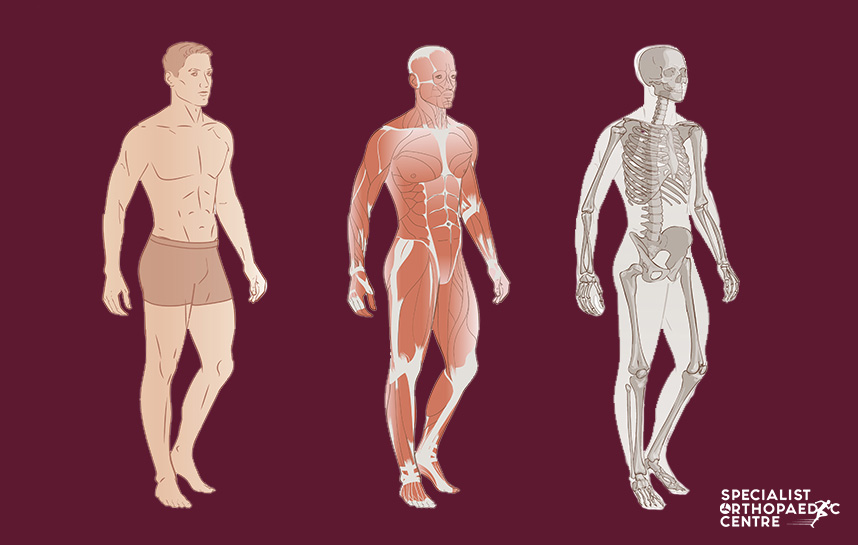
Your musculoskeletal system consists of bones, joints, ligaments, tendons, and muscles that help your body move from place to place. Orthopaedic Surgeons are specialists in the musculoskeletal system and are trained to treat acute, chronic, and degenerative disorders that can affect your mobility. The ultimate goal of an Orthopaedic Surgeon is to help patients recover from injuries and return to their normal activities. Read on to find out more about the role of an Orthopaedic Surgeon in different sports injuries. 1. Ankle Sprain Ankle sprains are among the most common lower-limb injuries encountered by Orthopaedic doctors in Singapore. Minor ankle sprains can cause pain and some swelling may also be observed. However if you encounter any of the following symptoms, it may be advisable to seek medical attention immediately. Foot deformity Extreme pain Numbness Hear a pop sound during the injury No improvement in injury after a week Treatments for minor ankle sprains usually include bed rest, elevation, compression, and ice to reduce swelling. More serious injuries can also have physiotherapy and rehabilitation to aid with recovery. If these treatment methods are not successful, then surgery to repair or reconstruct torn ligaments might be needed. Learn More: Tips For Preventing & Treating Orthopaedic Injuries In Sports 2. ACL Tear An ACL Injury is a tear to the Anterior Cruciate Ligament which connects your thigh bone to your shin bone. Symptoms of an ACL tear include a loud pop or popping sensation in your knee, severe pain, swelling, loss of range of motion, and instability or a lack of weight bearing in your knee.  Once diagnosed by a trained Orthopaedic doctor, treatment for an ACL tear begins with rehabilitative therapy. A knee brace might also be provided for better support, and you might need to walk with crutches to reduce stress on the knee. Rehabilitation can restore your knee’s full range of motion and help you return to daily activities. However if you’re an athlete or if your ACL tear is deemed to be severe, then your Orthopaedic Surgeon can recommend that you go for an ACL reconstruction surgery in Singapore. During this procedure, the damaged ligament is removed and replaced with a graft. 3. Fractures Bone fractures can happen due to trauma from a motor accident or a fall, or they can occur during contact sports. There are different types of fractures which are classified by the severity of the injury. Minor fractures can be managed by cast immobilisation where the broken bones are kept in position and allowed to heal naturally. For certain fractures, metal pins or screws are placed into the broken bones externally. The pins and screws are attached to a metal bar that helps stabilise and hold the bones in the proper place while they heal. For fractures that require internal fixation, the bone fragments are repositioned by an Orthopaedic doctor before screws or metal plates are attached to the outer surface of the bones. The fragments can also be held together by inserting rods through the centre of the bone. 4. Achilles Tendonitis Achilles Tendonitis is caused by overuse or strain of the achilles tendon at the back of your heel. It is more common as you age and athletes who participate in intense sports might also be more prone to achilles tendon injuries. Most cases of achilles tendonitis can be treated at an Orthopaedic clinic in Singapore with physical therapy or orthotic devices that help reduce the strain on your achilles tendon. However if your condition does not respond to these treatment methods, then surgical intervention can become necessary. Minimally invasive surgical options exist for achilles tendonitis where damaged and inflamed tissue is removed via small incisions. For patients with more extensive damage, surgical debridement and repair might be required. 5. Hamstring Strain Hamstring strains refer to partial or complete tears in one of the hamstring muscles. It is common in athletes, especially those who are involved in sudden sprints or jumps. Treatment  protocol usually involves rest, recovery, and physical therapy to help return to normal activities. Medications to help with pain and other symptoms may also be prescribed. For complete hamstring tears, surgery may be the only available option. Recovery time after a hamstring injury ranges from 3-6 months and a treatment plan will be laid out for you by your Orthopaedic doctor to slowly return to full fitness.  6. Plantar Fasciitis Plantar fasciitis is the inflammation of the band of tissue that runs at the bottom of your feet and connects your heel bone to your toes. Some risk factors for developing plantar fasciitis are obesity, age, foot mechanics, occupations, and activities that put pressure on your heel. Plantar fasciitis treatment primarily includes rest, physical therapy, orthotics, and walking boots. If these conservative treatment methods are unsuccessful, then surgery can be considered as a last resort. As an Orthopaedic Surgeon and a sub-specialist in lower limb disorders and surgical treatments, Dr Kannan Kaliyaperumal has treated patients presenting with a wide variety of ailments. Reach out to us today via our Contact Us Page to set up an appointment with our team or send in your questions and our support team will reply promptly.  
Post
Whenever we walk, run, or jump, our feet and especially our ankles bear the brunt of the stress. Over time, this strain on our ankles can eventually lead to severe injuries which may not respond to non-surgical interventions like rest, custom orthotics, braces, or physical therapy.  Learn More: What Treatments Do Ankle Specialists Offer Their Patients? The way to move forward in such cases might be to opt for ankle surgery to repair fractures, ligament tears, and joint or tendon problems. Here’s a non-exhaustive list of the common types of ankle surgeries performed by orthopaedic doctors in Singapore.   1) Arthroscopy An Arthroscopy, also referred to as a “keyhole surgery” is a procedure where a camera is inserted into your ankle to diagnose problems with joint and ligaments. During an Arthroscopy, small cuts are made at the bottom of your feet and the camera is inserted through these incisions.  Arthroscopy is an effective, minimally-invasive surgery that can both diagnose and treat ankle instability, ankle impingement, bone spurs, torn ligaments, or scar tissue. Arthroscopy is usually performed as an outpatient surgery and you should be able to go home on the same day with recovery time usually spanning a few weeks. 2) Ankle Fracture Fixation An ankle fracture in Singapore is a break to one of the three bones that make up the ankle joint. Non-severe fractures, known as nondisplaced fractures, where the bones have not moved out of place can be treated via leg casts and special boots.  However, displaced fractures, where the bone fragments are separated, might require surgery. Especially if the ankle joint has been dislocated as well. Depending on the extent of the fracture, screws and plates might be inserted during the surgery to keep the joint bones in place during recovery. 3) Ankle Replacement If you have a severe case of osteoarthritis, and your ankle cartilage has broken down completely, ankle replacement surgery might be recommended by your orthopaedic doctor to remove the damaged cartilage and replace it with artificial parts.  These artificial joints help the ankle with more natural movement patterns to reduce risk of arthritis happening in nearby joints. The entire surgical procedure for a complete ankle replacement might take several hours and you might need to be on crutches for a few weeks. 4) Ankle Tendon Repair Tendons are banded tissues that connect muscle to bone. They work together to ensure full functionality and stability of the ankle joint. Injuries to ankle tendons include acute tears, tendonitis, tendinopathy, and tendinosis. While non-surgical treatment methods are preferred, in cases where they are ineffective, surgical ankle tendon repair becomes a necessity. During an ankle tendon repair, an incision is made and damaged tissues are removed. Torn ends of tendons may also be sewn together. Recovery might take several months with physical therapy playing an important role. 5) Lateral ankle ligament reconstruction A lateral ankle ligament reconstruction is a surgery that is used to tighten and strengthen ankle ligaments. It is generally recommended by foot and ankle specialists for patients who have loose or overstretched ankle ligaments leading to chronic ankle instability.  It is usually performed as an outpatient surgery and there are several different techniques that can be called upon for the procedure, depending on the type of injury sustained. Most commonly, the patient’s ligament can be repaired with stitches. An alternative option is to use a grafted tendon to repair the ligament. 6) Achilles Tendon Treatment The achilles tendon connects the muscles in your calf to your heel bone. If you have completely ruptured your achilles tendon, surgery might be the preferred way to move forward to reduce chances of re-rupture. Surgery for achilles tendon involves making an incision at the back of your ankle and stitching the torn tendon back together. Recovery timeline for achilles tendon surgery is around 4-6 months depending on injury severity. As with all types of surgery, there’s always an element of risk involved. In many cases, the benefits to the patient are weighed against the potential complications before any decision is made about treatment protocol. Other factors like the quality of life for the patient and how it may affect their occupation or lifestyle are also considered. As a foot and ankle specialist in Singapore, Dr Kannan Kaliyaperumal is an orthopaedic surgeon with years of experience in lower limb disorders and surgical treatment. At his clinic, the Specialist Orthopaedic Centre, the aim is to provide quality medical treatment that is customised to fit a patient’s needs and means. Contact us today to learn more about the services we provide and make an appointment with our team. 
Post
Whether you’re an athlete, a fitness enthusiast, or even if you just play sports occasionally, you might face lower limb injuries at some point. They range from minor sprains to more serious cases like ligament tears or bone fractures. It’s important to identify the symptoms of some of the more common lower limb injuries and recognise when you need medical treatment. Especially when a consultation with an experienced orthopaedic doctor in Singapore is required for further evaluation. 1. Plantar Fasciitis The defining symptom of plantar fasciitis is a stabbing pain at the bottom of your feet, close to the heel. The risk factors for plantar fasciitis include age, physically taxing activities, and obesity. If you are in constant pain from your heel and it hasn’t improved after a few days, then it’s advisable to see a specialist. Pain from plantar fasciitis can cause patients to alter the way they walk causing issues down the road with the knees, and ankles. 2. Anterior Ankle Impingement Anterior ankle impingements occur when there’s damage or inflammation to the structures at the front of the ankle joint. Symptoms include pain while walking or running up inclines, doing squats, or landing after jumping exercises. Ignoring the pain that comes from anterior ankle impingement can exacerbate the condition. An orthopaedic doctor would be able to prescribe an activity program to build strength and flexibility in the ankle joint to aid recovery and prevent future injuries. 3. Shin Splints Shin splints refer to pain down the shin bone and is a common condition among runners. Other symptoms include tenderness, soreness, and swelling. The initial pain might stop after exercise, but with repeated usage and without adequate recovery it can progress into a stress fracture. Since shin splints usually occur due to overuse, the first line of treatment is to take a break from the activity that is causing the issue. An orthopaedic doctor would also be able to identify issues with flat feet, or overly rigid foot arches and prescribe orthotics as necessary. 4. ACL Tear The Anterior Cruciate Ligament (ACL) connects your thigh bone to the shin bone. ACL tears happen most often when engaged in sports that involve sudden stops or changes in direction. Signs of ACL injuries include a loud pop or popping sensation in the knee, swelling, pain, loss of range of motion, and inability to bear weight. ACL reconstruction surgery in Singapore is recommended for patients who have not recovered after physical therapy treatments or if the injury is deemed severe enough. Learn More: Helping Athletes Bounce Back To Form After Sports Injuries 5. Runner’s Knee Runner’s Knee, known medically as Patellofemoral pain syndrome, refers to pain localised around your kneecap. It causes dull aches that get worse during physical activity. The causes are varied with overuse, muscle imbalance, injury, and knee surgery all known risk factors. Improving strength, losing excess weight, and optimising technique are just some of the ways to help prevent Runner’s Knees. 6. Ankle Fracture An ankle fracture is an injury to the bones in the ankle. The severity of the condition can vary from tiny cracks in the bone to serious breaks which might require surgery. If you have an ankle fracture in Singapore, you might experience immediate pain, swelling, tenderness, bruising, and deformity. If there are any obvious deformities, it’s important to see a doctor as soon as possible to assess the seriousness of the fracture. 7. Ankle Ligament Tear Ankle ligament tears can range from minor tears that get better with at-home treatment protocols, to more severe ligament tears that might require further medical intervention. Physical therapy to strengthen ankles or orthotic devices to support your feet are options for treatment. In rare cases for severe tears, surgery can be performed to repair ligaments. Lower limb sports injuries happen often enough and can put you out of action for long periods of time. But taking preventive measures like wearing proper footwear, and maintaining strength and flexibility in your lower limbs, can reduce your risks of encountering such injuries. In the unfortunate case you do get injured, it’s important to seek timely medical attention and get your condition diagnosed by a qualified orthopaedic surgeon. Effective orthopaedic treatment that provides high-quality, comprehensive, and specialised care for patients has always been the aim of our orthopaedic clinic in Singapore. Contact us today to enquire about our services and set up an appointment with us to find out how we can help you.
Post
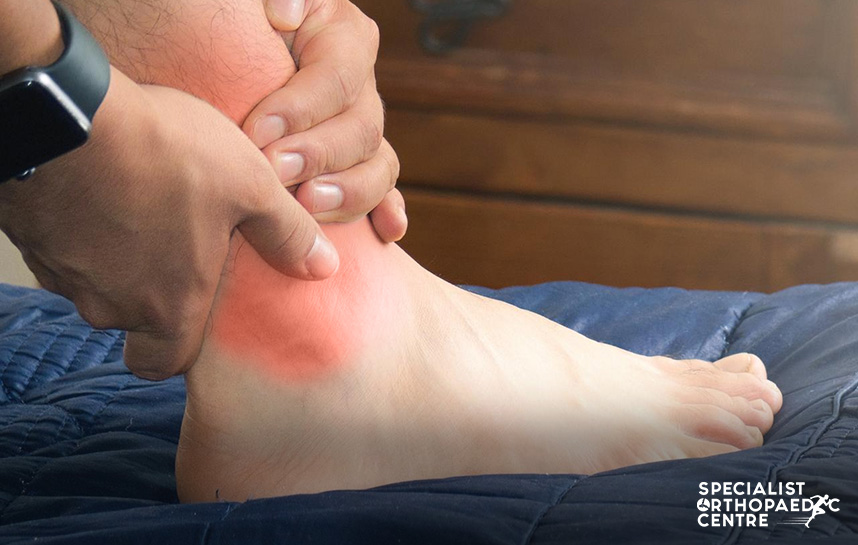
Your ankles are complex structures of tendons, muscles, and soft tissues that not only support the weight of your body, but also allow your feet to flex, move from side to side, and rotate. This complexity and range of motion is what causes ankle injuries to happen fairly frequently. Ankle pain can happen for a number of reasons ranging from inflammation from overuse, simple sprains to ankle fractures, which is the most severe form of injury which may require surgery. Ankle pain is a common symptom and risk factors include sports injuries or trauma. Read on to learn more about the different causes of ankle pain and tips to prevent injuries, reduce discomfort and the various treatment options. Bursitis Ankle bursitis is the inflammation of small fluid-filled sacs in your ankle called bursae. The bursa in your ankle help cushion the ankle joint and provide lubrication to make movement easier. When inflamed, there is usually pain and swelling in the ankle. Other symptoms include limping to avoid putting weight on your ankle, redness, and fever or chills in the rare case of infection. Ankle bursitis has overlapping symptoms with other conditions such as gout and hence it’s important to visit an ankle specialist in Singapore for an accurate diagnosis. Tendonitis Ankle tendons are bands of fibrous tissue that connect foot and ankle muscles to bones. They work together to support movement, balance, and stability while walking or running. Ankle tendonitis is a condition where these tendons become inflamed due to overuse, injury, or disease. Due to the high daily usage of our ankle tendons, they are some of the most common places to develop tendonitis. Presentation can be with swelling and limited range of motion of the ankle joint. A simple & effective solution for tendonitis due to overuse is to rest and ice the ankle joint. This should allow the inflamed tendon to heal. Ankle Sprains & Ligament Tears Ankle sprains occur when the ligaments, which connect bones to each other, overstretch or tear when forced into unnatural positions. The severity of ankle sprains can range from mild to severe. In most cases, a mild strain occurs when an ankle ligament gets overstretched and becomes tender, swollen. This can happen with a low velocity trauma like missing a step or a high velocity injury during a football game. However, signs that the ankle injury may be more than just a simple ankle sprain are: excessive pain, bruising and persistent swelling that does not settle within 3-5 days. In such a scenario, it is safer to consult a medical practitioner and perform further investigations like an X-ray, or a scan to exclude a bone injury, cartilage injury, ligament or tendon injuries of the ankle. In the more severe case of an ankle ligament tear, initial conservative treatment like ultrasound therapy, tendon strengthening and bracing can be tried. The usual time frame to heal a torn ligament is about 4 to 6 weeks, depending on the severity of the ligament tear. Non-healing ligament tears and patients who persist to have a loose ankle may require surgical treatment. Fractures Ankle fractures in Singapore commonly happen when the ankle sustains a twisting trauma during intense sports, running on uneven surfaces, or falling from a height. If a fracture is suspected, an X-ray or CT scan can help determine the severity of the injury. Immediate and severe pain is the first symptom of ankle fractures, along with swelling, bruising, and tenderness. There can also be numbness and deformity in some cases. Tips For Treating And Preventing Ankle Injuries Using The RICE Method RICE stands for Rest, Ice, Compression, and Elevation. It is a simple method of care for minor injuries that can reduce swelling, pain and speed up healing. RICE works best for mild pain or swelling in your ankle. It is best to ensure that there are no structural injuries to the ankle through some simple investigations with a specialist if the RICE method does not reduce the swelling. Maintain A Healthy Weight Increased weight puts more strain on all the different parts of the ankle and maintaining a healthy weight is ideal to prevent future injury. Strengthen Supporting Muscles There are simple exercises that can be practised at home to help strengthen your ankles and increase your range of motion. Doing so reduces the risk of ankle ligament tears as stronger, more flexible ankles are more resistant to getting hurt through normal usage. Pay attention to specific conditioning exercises that focus on ankle strengthening. Wear Supportive Footwear Certain kinds of supportive footwear have been found not only reduce the incidence of ankle injuries occurring, but can also help in the mechanics of the activities themselves. They help cushion the impact of running or walking and lower the likelihood of missteps twisting your ankle. Warming Up Properly conducted warm-up stretches that work and rotate the ankles prior to exercise may contribute to an overall lower risk of injuries occurring. The benefits of warming up include increasing blood flow to the feet and increasing flexibility and mobility in your joints. Visit An Orthopaedic Doctor If you have a mild ankle sprain then it’s perfectly fine to stay at home and rest by following the RICE methodology. Importantly, you should avoid putting too much weight on your feet until you have healed completely. However if your symptoms don’t show any improvements or if your foot is unable to bear any weight at all, then it’s best to visit an ankle specialist as soon as possible. Delaying the visit might aggravate the injury leading to more serious complications. If you lead an active lifestyle or play intense sports, then you’re likely to have experienced a minor ankle injury at some point. It’s important to keep in mind that without the right precautions, more serious injuries can occur which can severely impact your mobility and hinder your quality of life. At Specialist Orthopaedic Centre in Singapore, we offer a multitude of treatments and services for patients. Our tailored and personalised approach is aimed at increasing collaboration between doctor and patient and optimising recuperation. Get in touch with us via our Contact Us page to make an appointment or send us any queries you might have.

Search