

Key Takeaways
- A PTFL tear is relatively uncommon and typically occurs only when substantial force is applied to the ankle.
- Injury to this ligament often indicates a more severe pattern of damage involving multiple stabilising structures within the joint.
- Symptoms may include significant swelling, pain, difficulty bearing weight, and a feeling of instability during movement.
- Clinical assessment and imaging studies can help determine the extent of the injury and guide appropriate treatment and rehabilitation planning.
What Does a PTFL Tear Mean for an Ankle Injury?
Most ankle sprains involve the ligaments on the outer side of the ankle. In many cases, the injury affects the more commonly injured ligaments, while the posterior talofibular ligament (PTFL) remains intact. When a PTFL tear does occur, it is often associated with a more forceful injury.
This is because the PTFL plays an important role in stabilising the ankle and is generally less prone to injury than other ligaments in the area. As a result, damage to this ligament may suggest that the ankle has been subjected to a greater degree of stress.
Understanding when a PTFL tear occurs can help explain why some ankle injuries result in more significant pain, swelling, or instability than a typical sprain.
Since the causes of ankle injuries can range from sports-related incidents and falls to sudden twisting movements, the type of force involved often influences which structures are affected. To better understand why PTFL injuries are less common, it is helpful to first look at the role this ligament plays within the ankle joint.
What Is the PTFL?
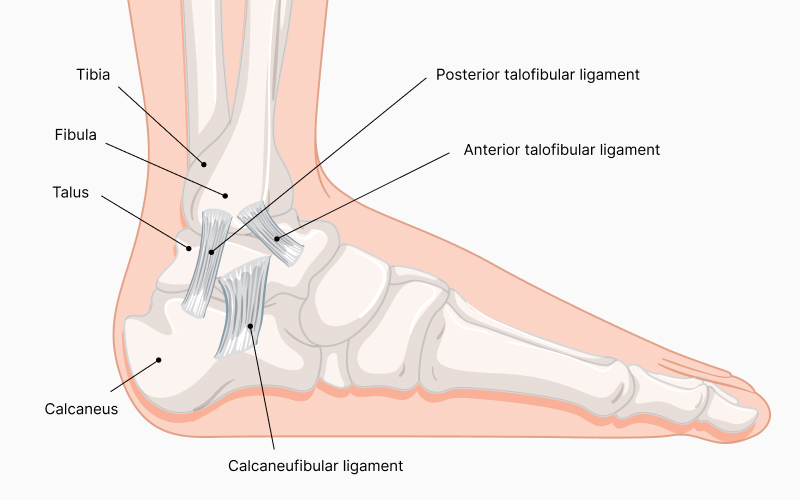
The PTFL is located at the back of the ankle joint, where it connects the talus to the fibula. It is one of three ligaments that make up the lateral ligament complex, alongside the anterior talofibular ligament (ATFL) and the calcaneofibular ligament (CFL).
The PTFL helps support ankle stability, particularly during movements that place stress on the joint. Compared to the ATFL and CFL, it is thicker and stronger, allowing it to resist forces that could otherwise affect the position and movement of the ankle bones.
Because of its strength and location within the ankle, the PTFL is less commonly injured than other ligaments in the lateral ligament complex. This is one reason why PTFL tears are typically associated with more substantial ankle injuries.
When Does the Tear Typically Occur?
During an inversion injury, where the ankle rolls inward, the ATFL is typically the first ligament to be injured. If the force is greater, the CFL may also be affected. The PTFL generally becomes involved only when substantial stress is placed on the ankle.
Because of this pattern, injury to the PTFL is often associated with a severe ankle sprain and may indicate damage extending beyond a routine ligament injury.
Situations that may result in this type of injury include:
- High-impact sporting injuries
- Falls from height
- Motor vehicle accidents
- Forceful twisting injuries involving ankle inversion
These types of ankle injuries can generate enough force to affect the deeper and stronger structures that help stabilise the ankle joint.
How Does a PTFL Tear Differ from Other Ankle Ligament Injuries?
Most ankle sprains affect the ATFL, which is the ligament most commonly injured when the ankle rolls inward. The PTFL, on the other hand, is located deeper within the ankle and is generally more resistant to injury due to its strength and position within the joint.
As a result, PTFL injuries are less common and typically occur only when greater force is involved. When the PTFL is affected, it may indicate a more extensive injury pattern rather than an isolated ligament sprain.
Compared to more common ligament injuries, PTFL involvement may be associated with:
- More significant swelling
- Greater ankle instability
- Increased difficulty bearing weight
- A longer recovery period
Unlike a typical ankle ligament tear, involvement of the PTFL may suggest more extensive damage within the ankle joint. A thorough assessment can help determine whether other ligaments or structures have also been affected.
What Symptoms Are Associated with the Injury?
Symptoms can vary depending on the severity of the injury and whether other structures within the ankle have also been affected. Compared to a minor ankle sprain, symptoms are often more pronounced and may have a greater impact on mobility.
Common symptoms include:
- Pain along the back and outer side of the ankle, particularly during movement or weight-bearing activities
- Swelling around the ankle joint
- Bruising that may extend into the foot or lower leg
- Difficulty walking or bearing weight
- Reduced range of motion
- Tenderness around the injured area
In more significant injuries, individuals may feel that the ankle is unstable or unable to support normal movement. Some may experience persistent swelling, ongoing instability when walking, or difficulty returning to sports and physical activities.
These symptoms may indicate that the injury extends beyond a routine ankle sprain and involves additional damage to the ligaments or other structures within the ankle.
How Is the Injury Assessed?
Assessment typically begins with a clinical examination of the ankle, followed by imaging studies when needed to better understand the extent of the injury and identify any associated damage.
Clinical Examination
During the assessment, the clinician will evaluate:
- Areas of pain and tenderness
- The degree of swelling and bruising
- Ankle stability
- Range of motion
- Ability to bear weight
Because this type of injury is often associated with damage to other ligaments, the examination may also look for signs of additional injury within the ankle joint.
Imaging Studies
Imaging is commonly used to confirm the diagnosis and determine whether other structures have been affected.
X-Rays
X-rays are often performed to rule out fractures and assess whether symptoms may be related to a broken ankle or other bony injuries.
MRI Scans
MRI provides detailed images of the ankle’s soft tissues and can help assess the condition of the ligaments and surrounding structures.
An MRI may identify:
- Partial or complete ligament tears
- Injury to neighbouring ligaments
- Cartilage damage
- Bone bruising
- Other soft tissue injuries
The information gathered from clinical assessment and imaging helps guide treatment decisions and rehabilitation planning.

Why Is Careful Evaluation Important?
Injuries involving the PTFL are often associated with a greater degree of trauma than a typical ankle sprain. As a result, it is important to determine whether other structures within the ankle have also been affected.
Additional injuries that may occur alongside PTFL involvement include:
- ATFL injuries
- CFL injuries
- Cartilage damage
- Bone bruising
- Joint instability
Identifying the full extent of the injury helps guide treatment decisions and rehabilitation planning.
Without appropriate assessment, associated damage or underlying instability may go unrecognised. This can contribute to ongoing symptoms, affect ankle function, and increase the likelihood of recurrent injuries. A thorough evaluation helps ensure that all affected structures are identified and managed appropriately.
Management and Recovery Considerations
Management depends on the severity of the injury and whether other structures within the ankle have also been affected.
Initial Management
Early treatment typically focuses on reducing symptoms and protecting the ankle while the injured tissues begin to heal. This may involve:
- Reducing swelling
- Managing pain
- Protecting the ankle from further injury
- Limiting stress on the affected structures
The most appropriate approach will depend on the extent of the injury and the individual’s symptoms.
Rehabilitation
Rehabilitation is often an important part of recovery and aims to restore normal ankle function over time.
A rehabilitation programme may include exercises to:
- Improve mobility and range of motion
- Restore strength around the ankle
- Enhance balance and coordination
- Improve joint stability
- Support a gradual return to daily activities and sport
Recovery timelines can vary depending on the severity of the injury and the presence of any associated damage.
When Is Surgery Considered?
Some injuries occur alongside extensive ligament damage or ongoing ankle instability. In these situations, further assessment may be required to determine whether surgical treatment should be considered.
Surgery may be recommended when the injured ligaments are unable to provide adequate stability despite appropriate non-surgical management.
Arthroscopy
Arthroscopy is a minimally invasive procedure that uses small incisions to assess and treat problems within the ankle joint. It may be considered when imaging findings or persistent symptoms suggest associated cartilage damage, joint injury, or other abnormalities that require closer evaluation.
Ligament Reconstruction
Ligament reconstruction involves repairing or reinforcing damaged ligaments to improve ankle stability. The choice of procedure depends on the extent of the injury, the structures involved, and the overall condition of the ankle.
Seeking Care for a Significant Ankle Injury
A PTFL tear is relatively uncommon and is often associated with a more significant ankle injury involving multiple structures within the joint. Identifying the full extent of the damage is important for understanding the cause of symptoms and guiding appropriate management.
At Specialist Orthopaedic Centre, our orthopaedic specialists assess and manage a wide range of ankle ligament injuries, including complex cases involving the PTFL. Patients seeking care at our clinics, including our Mount Elizabeth, Novena practice, can receive a detailed evaluation to determine the extent of the injury and discuss appropriate treatment options.
Schedule a consultation today for a comprehensive assessment and personalised treatment plan.