
Key Takeaways
- Hammertoes and bunions are separate conditions, but changes in forefoot alignment can cause them to develop together in some individuals.
- Altered pressure distribution, toe crowding, and tendon imbalance may contribute to progressive toe joint misalignment over time.
- Early assessment may help identify contributing biomechanical factors before foot deformities become more rigid or difficult to manage.
- Early evaluation may help identify contributing biomechanical changes before symptoms begin affecting walking patterns, footwear comfort, or overall forefoot stability.
Why Hammertoes and Bunions Often Appear Together
Hammertoes and bunions frequently co-occur, leading many to assume one condition automatically causes the other. In reality, their relationship is more complex. While the two conditions can influence each other over time, they arise from distinct structural changes within the forefoot.
A closer link between them lies in how changes in one part of the foot can gradually affect surrounding joints and toes. As foot alignment shifts, pressure distribution and walking mechanics may also change, potentially creating conditions that increase the likelihood of further deformities developing.
Understanding the interaction between these conditions helps to explain why some individuals develop both hammertoes and bunions, while others experience only one, even with similar lifestyle habits or footwear choices.
What Is a Bunion and How Does It Affect the Foot?
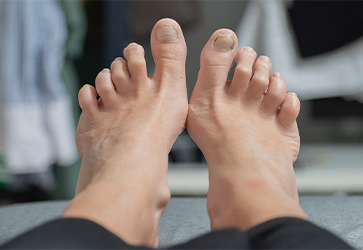
A bunion, medically known as hallux valgus, develops when the alignment of the big toe gradually changes over time. Instead of pointing straight ahead, the toe begins shifting towards the smaller toes while the joint at its base moves outward along the inner side of the foot. This visible prominence is what many people recognise as a bunion deformity.
The big toe plays an important role in maintaining foot stability while walking, especially during the push-off phase when body weight shifts forward. As the toe shifts position, the way pressure travels across the forefoot can also change. Over time, this may place additional stress on the surrounding joints and smaller toes, potentially affecting their movement and alignment.
For some individuals, the changes remain relatively mild for years. In others, increasing crowding within the forefoot may gradually affect footwear comfort, walking patterns, and overall foot function.
Understanding Hammertoes and Why They Develop
A hammertoe is a deformity that usually affects one of the smaller toes, most often the second toe. The condition develops when the middle toe joint bends abnormally, causing the toe to appear curled or elevated instead of lying flat and straight.
This type of toe joint misalignment often develops gradually. Under normal conditions, the muscles and tendons controlling the toes work together to maintain balance and stability during movement. When that balance is disrupted, the toe may slowly shift into a bent position.
Several factors may contribute to these changes, including joint instability, prolonged pressure from tight footwear, structural differences within the foot, altered walking mechanics, and repetitive stress across the forefoot. In some individuals, more than one contributing factor may be involved simultaneously.
In the early stages, the affected toe may still be flexible and can be manually straightened. As the condition progresses, however, the joint can gradually become stiffer and more fixed in position.
Can Hammertoes Develop Without Bunions?
Hammertoes can develop even when a bunion is not present. In many cases, the condition is more closely related to tendon imbalance, structural differences in the foot, or prolonged pressure on the toes.
For instance, individuals with a naturally longer second toe may experience increased stress across that joint during walking. Footwear can also play a role. Shoes with narrow toe boxes may repeatedly compress the toes, gradually affecting their alignment and movement patterns.
These contributing factors help explain why some individuals develop hammertoes even without visible changes in the big toe joint. At the same time, the frequent coexistence of hammertoes and bunions suggests that although the conditions are separate, changes in forefoot alignment can still influence how foot deformities develop across neighbouring toes.
Understanding the Relationship Between Hammertoes and Bunions
Hammertoes and bunions frequently occur together, which is why many people assume one condition directly causes the other. In reality, the relationship is more gradual and biomechanical. While the two conditions can influence each other over time, they develop through different structural changes within the forefoot.
As the foot’s alignment changes, pressure distribution and walking mechanics may also shift. A bunion, for example, can gradually alter how weight moves through the forefoot, sometimes increasing pressure on the neighbouring toes during walking and push-off. These changes may affect how the smaller toe joints and tendons function over time.
Even so, a bunion does not automatically lead to a hammertoe. Many individuals with bunions never develop hammertoes, which suggests that additional contributing factors are often involved. These may include inherited foot structure, differences in toe length, tendon imbalance, joint laxity, and repetitive forefoot pressure from daily activities or footwear.
Rather than viewing one condition as the direct cause of the other, it is often more accurate to understand their relationship as an interaction between forefoot alignment, joint mechanics, and long-term pressure changes. This also helps explain why some individuals develop both conditions while others experience only one despite similar lifestyle habits or footwear choices.
How Bunions Can Influence the Development of Hammertoes
One reason hammertoes and bunions are often seen together is the gradual loss of space within the forefoot. As the big toe shifts inward towards the smaller toes, the surrounding toes may no longer have enough room to maintain their natural alignment comfortably.
The second toe is usually affected first because it sits directly beside the big toe. As crowding increases, the tendons and joints that control the smaller toes may begin to function differently. Changes in pressure distribution and toe movement can place additional strain across the toe joints, particularly during walking and push-off.
Over time, these altered mechanics may contribute to the development of hammertoes in individuals who are already more susceptible to joint imbalance or instability. The changes typically happen gradually rather than all at once. Early signs may include mild crowding, overlapping toes, or increasing pressure between the toes before more obvious deformities become noticeable.
Shared Factors That Increase the Risk of Both Conditions
Although hammertoes and bunions develop differently, several underlying factors may increase the likelihood of both conditions occurring together. In many cases, the combination of foot structure, joint behaviour, and long-term mechanical stress gradually influences how the toes align.
Inherited Foot Structure
Foot shape and joint alignment can be influenced by genetics. Some individuals naturally have forefoot structures that place greater stress across the toe joints during walking, making gradual alignment changes more likely over time.
Joint Laxity
Joints that are naturally looser or less stable may be more prone to shifting position gradually. When combined with repetitive forefoot pressure, this instability can contribute to progressive toe deformities.
Footwear Choices
Shoes with narrow toe boxes may compress the forefoot and reduce the natural space between the toes. Over time, repeated compression can place additional stress on the joints and soft tissues, particularly when worn regularly for prolonged periods.
Altered Walking Mechanics
Changes in the way weight moves through the foot can also influence toe alignment. Uneven pressure distribution or altered push-off mechanics may gradually increase strain across the smaller toes and surrounding forefoot joints.
How Combined Deformities Affect Foot Function
When hammertoes and bunions occur together, the overall mechanics of the foot can be more affected than when either condition develops on its own. As toe alignment changes, the forefoot may become less effective at distributing pressure evenly during standing and walking. This can increase strain on certain joints, tendons, and soft tissues over time.
Some individuals may begin noticing:
- Difficulty finding comfortable footwear
- Increased rubbing or pressure over prominent joints
- Reduced stability while walking
- Changes in walking patterns
- Localised areas of bunion pain
The toes also play an important role during push-off, helping stabilise the foot as body weight moves forward. When alignment changes affect multiple toes at the same time, this phase of walking may become less efficient. In some cases, the body gradually adapts by shifting pressure elsewhere in the foot or ankle, which can sometimes place additional strain on surrounding structures.
How Both Conditions Are Assessed
Assessment usually begins with a detailed evaluation of the forefoot, toe alignment, and overall walking mechanics. A foot and ankle specialist may assess how the toes move while standing and walking, and determine whether the deformities remain flexible or have become more fixed over time.
A clinical assessment may involve:
- Observing toe positioning and forefoot alignment
- Assessing joint flexibility and toe movement
- Evaluating gait and weight distribution during walking
- Examining pressure points and footwear wear patterns
- Using weight-bearing imaging to assess bone alignment
Weight-bearing X-rays can provide a clearer view of how the joints and bones are positioned while standing. This may help show the extent of joint deviation and how different deformities relate to one another within the overall foot structure.
Treatment Approaches for Both Conditions
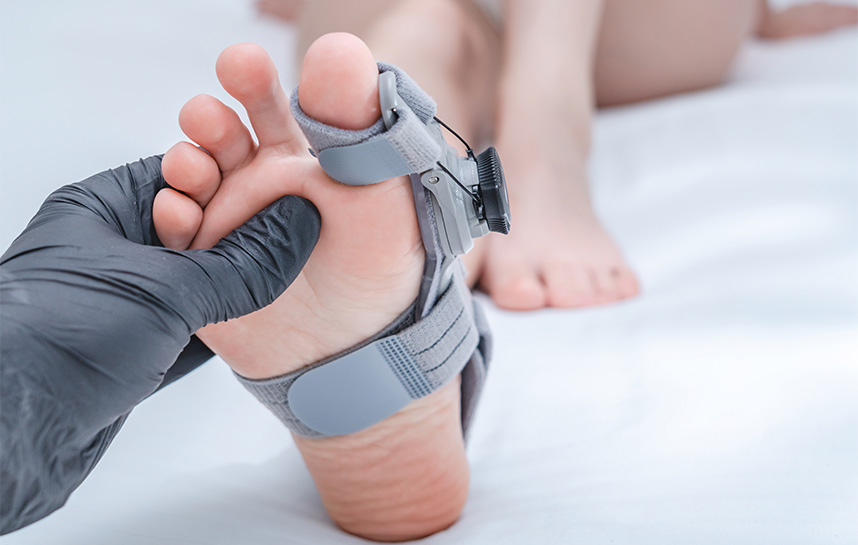
Management approaches depend on several factors, including the severity of the deformities, the presence of symptoms, and the extent to which the conditions affect walking, daily activities, or footwear comfort. Both non-surgical and surgical options may be considered based on the nature and progression of the condition.
Footwear Modifications
Shoes with wider toe boxes may help reduce compression across the forefoot and create more space for the toes. This can help minimise irritation, rubbing, and pressure caused by crowding between the toes and joints.
Padding and Toe Spacers
Padding may be used to reduce friction over prominent joints, while toe spacers can help decrease pressure between adjacent toes. Although these measures do not reverse the deformities, they may help improve comfort during daily activities.
Orthotic Support
Custom orthotic devices may help support overall foot mechanics and improve weight distribution during walking. In some individuals, reducing excessive forefoot pressure may help ease strain on the affected joints over time.
Surgical Management
When deformities become increasingly rigid or symptoms continue despite conservative measures, surgical treatment may sometimes be considered. An orthopaedic specialist may assess factors such as joint flexibility, changes in alignment, and overall foot function before recommending a suitable approach. Surgical management generally aims to improve alignment, reduce pressure across the forefoot, and, where possible, restore more balanced toe positioning.
Examining Hammertoes and Bunions More Closely
Although hammertoes and bunions are separate conditions, changes in forefoot alignment can sometimes allow them to influence each other over time. As a bunion gradually alters the position of the big toe, surrounding toes may experience increasing pressure and crowding. At the same time, hammertoes may also develop independently due to tendon imbalance, structural foot differences, or prolonged stress across the forefoot.
Understanding how these conditions interact can provide a clearer picture of why some individuals develop both deformities while others do not. Early changes in alignment are often subtle, but they may gradually affect walking mechanics, footwear comfort, and overall foot function.
If you are experiencing persistent forefoot discomfort, noticeable changes in toe alignment, or increasing difficulty with certain types of footwear, a clinical assessment may help identify the underlying mechanical factors. At the Specialist Orthopaedic Centre, evaluation of foot structure, gait mechanics, and joint alignment helps guide management approaches based on the nature and progression of the condition.
Schedule a consultation with the Specialist Orthopaedic Centre today to understand your condition and explore suitable treatment options for long-term foot comfort and mobility.