
Key Takeaways
- Changes in arch support and walking mechanics may gradually increase stress on the big toe joint.
- Not everyone with fallen arches develops bunions, as genetics, joint structure, and footwear habits also influence progression.
- Early symptoms can include discomfort during walking, uneven shoe wear, toe crowding, or increasing pressure around the forefoot.
- Understanding the biomechanical relationship behind flat feet and bunions may help individuals seek assessment before joint changes become more advanced.
Are Flat Feet and Bunions Actually Connected?
Flat feet and bunions are commonly discussed together, but the link between them is often oversimplified. Some people assume that flat feet will eventually lead to bunions, while others see the two conditions as unrelated. In reality, the relationship is more complex and largely depends on how the foot’s structure affects movement and pressure distribution over time.
Not everyone with flat feet develops bunions. However, when the arch provides less support, the way weight moves through the foot can gradually change. Over time, this may place additional strain on the joint at the base of the big toe, especially in individuals who are already more prone to changes in joint alignment.
Looking at the connection more closely can help explain why some people notice bunions developing earlier, worsening more quickly, or appearing alongside other changes in foot posture and walking mechanics.
What Are Flat Feet and How Do They Affect Foot Mechanics?
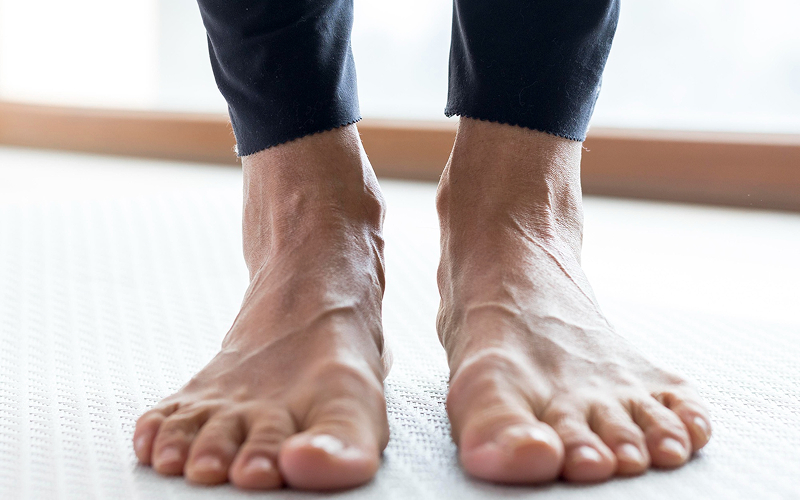
Flat feet occur when the arch along the inner side of the foot is lower than usual or becomes less visible during standing and walking. Some people naturally have flatter arches from childhood, while others develop flatter arches over time due to ageing, injury, tendon strain, or changes in the foot’s supporting ligaments.
One of the more noticeable symptoms of flat feet is aching or fatigue along the inner side of the foot and ankle, especially after long periods of standing or walking. Some individuals may also notice uneven wear on their shoes, discomfort during exercise, or a sense that their feet tire more easily throughout the day.
The arch plays an important role in helping the foot absorb impact and distribute body weight during movement. When the arch becomes less supportive, the foot may roll inward more than usual while walking. This inward movement, known as overpronation, is a normal part of gait to some extent, but excessive rolling can gradually alter how pressure is distributed through the forefoot and toes.
Over time, these shifts in movement and weight distribution may contribute to broader foot alignment problems, particularly around the big toe joint and front of the foot.
Understanding Bunions and Hallux Valgus
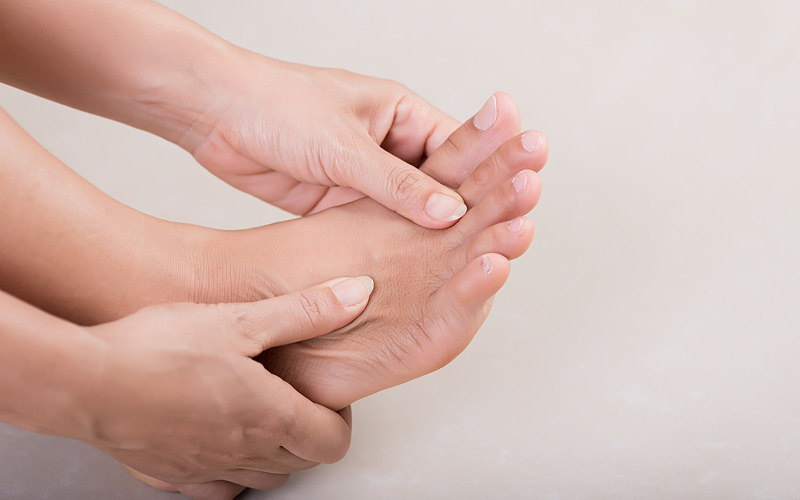
A bunion is a gradual change in the alignment of the joint at the base of the big toe. This condition is medically known as hallux valgus.
As a bunion develops, the big toe slowly begins to angle towards the smaller toes while the joint at its base becomes more prominent along the inner side of the foot. Although many people focus on the visible bump, the condition also involves deeper changes within the joint, the surrounding ligaments and tendons, and the toe’s overall alignment.
In the earlier stages, some individuals may notice very little discomfort. Over time, however, the area may become irritated from pressure and friction, particularly when wearing tighter footwear. Stiffness, swelling, soreness, or difficulty finding comfortable shoes can gradually become more noticeable as the joint changes further.
In some cases, the shifting position of the toe may also affect how weight moves through the foot during walking, which can influence overall foot mechanics and balance.
Rather than appearing suddenly, bunions usually develop slowly over many years through a combination of structural, mechanical, and genetic factors.
How Flat Feet May Contribute to Bunion Development
The link between flat feet and bunions becomes clearer when examining how changes in foot structure affect walking.
When the arch is lower or less supportive, body weight may shift more towards the inner side of the foot. This can place greater pressure on the first metatarsal and the joint at the base of the big toe. Over many years, repeated loading in this area may gradually influence how the joint sits and moves.
Flat feet are also commonly associated with increased inward rolling of the foot during walking, known as overpronation. When this occurs excessively, the foot may become less stable during push-off. As a result, the big toe joint may be exposed to additional strain, particularly in individuals who already have naturally flexible joints or inherited structural tendencies that affect alignment.
This does not mean flat feet automatically cause bunions. Many people with flatter arches never develop them. Instead, flatter foot mechanics may create conditions that increase the likelihood of bunion progression in some individuals over time.
Rather than a simple cause-and-effect relationship, the connection is more about how long-term changes in movement, pressure distribution, and joint stability influence the forefoot.
Why Not Everyone With Flat Feet Develops Bunions
One of the most common misunderstandings about flat feet and bunions is the belief that fallen arches will eventually lead to bunions in every individual. In reality, the relationship is not that predictable.
Many people with flat feet never develop noticeable changes in the position of the big toe. At the same time, bunions can still develop in individuals with normal or even high arches. This highlights that foot shape alone does not fully determine whether a bunion will form.
Genetics often play a significant role. Factors such as joint structure, ligament flexibility, bone alignment, and inherited foot shape can all influence how stable the big toe joint remains over time. In some individuals, these underlying traits may make the joint more vulnerable to gradual deviation, while flatter arches simply add further mechanical stress during walking.
Ageing may also contribute to progression. As tendons, ligaments, and other soft tissues naturally lose strength and elasticity over time, the forefoot may become less stable under repeated loading. When combined with existing structural tendencies, these gradual changes can influence how the joint alignment shifts over the years.
Other Factors That Can Influence Bunion Progression
A range of structural and lifestyle-related factors can influence how quickly bunions develop or become more noticeable over time.
Footwear is one of the more commonly discussed factors. Shoes with narrow fronts, tight toe boxes, or elevated heels may increase pressure across the forefoot, especially when worn frequently over many years. This repeated compression can irritate the big toe joint and place additional stress on an already vulnerable area.
At the same time, footwear alone does not fully explain why bunions develop. Many people wear similar shoe styles without experiencing significant joint changes, while others develop bunions despite regularly wearing supportive footwear. This suggests that underlying foot structure and joint mechanics often play a larger role.
Other contributing factors may include joint instability, tendon imbalance, arthritis, or inflammatory conditions that gradually affect how the joint is supported and aligned. In some individuals, these changes may accelerate the shifting position of the big toe over time.
As the joint becomes more irritated or prominent, persistent bunion pain may develop during walking, standing, or shoe wear. For some people, discomfort stems from pressure on the feet, while others experience soreness linked to joint inflammation or altered walking mechanics.
How Foot Alignment Is Assessed Clinically
Assessing bunions and arch-related issues usually involves examining both the foot’s overall structure and its function during movement.
During examination, clinicians may observe standing posture, walking patterns, arch height, and excessive inward rolling of the foot while walking. The position and mobility of the big toe joint are also assessed to identify stiffness, instability, tenderness, or signs of irritation around the joint.
In some cases, weight-bearing X-rays may be recommended to provide a clearer view of the foot’s alignment while standing. These images help illustrate the relationship among the bones, the degree of big toe deviation, and whether the structural changes remain mild or have progressed over time.
Because foot alignment issues can present differently from person to person, assessment is not based on appearance alone. Factors such as pain levels, walking mechanics, footwear difficulty, activity limitations, and changes in symptoms over time are also considered.
Management Approaches for Flat Feet and Bunions
Management for flat feet and bunions usually focuses on reducing stress across the forefoot while improving overall foot support and walking mechanics.
One of the first areas often addressed is footwear. Shoes with a wider toe box may help reduce pressure around the bunion area while allowing the toes to rest in a more natural position. Better cushioning and arch support can also improve comfort during prolonged standing and walking.
Orthotic inserts may sometimes be recommended to provide additional arch support and improve foot alignment during movement. In individuals with excessive pronation, improving arch control may help reduce strain through the joint at the base of the big toe during walking.
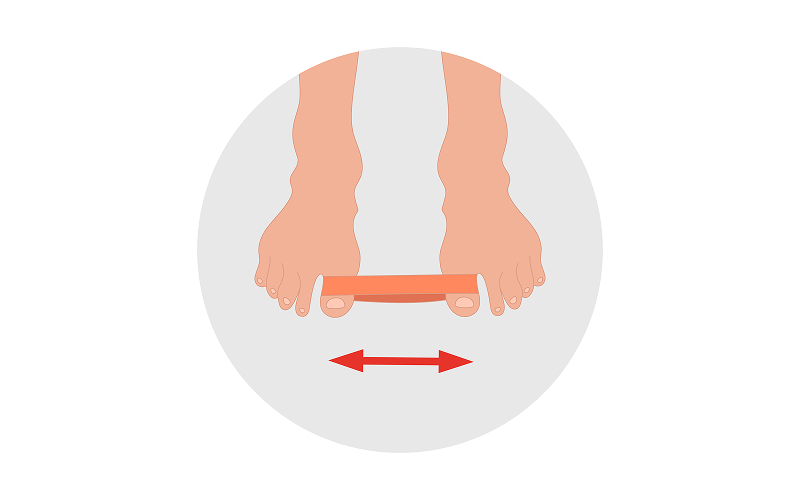
Exercises that strengthen the foot and ankle muscles may also support stability and movement control. Although exercises do not reverse an established bunion deformity, they may help improve overall function and reduce irritation during daily activities.
When symptoms continue to worsen despite conservative measures, further assessment for bunion treatment may be considered. Depending on the severity of the deformity and the degree of functional limitation, management may range from footwear modifications and activity adjustments to surgical correction.
For individuals experiencing persistent discomfort, increasing joint deformity, or difficulty walking or with footwear, consulting a bunion surgeon in Singapore may help clarify the available treatment options and what may be suitable for their condition.
Looking at the Relationship More Realistically
The relationship between flat feet and bunions is often more complex than it first appears. Flat feet do not automatically lead to bunions, but changes in arch support and walking mechanics can gradually affect how pressure is distributed through the forefoot.
For individuals who are already structurally predisposed to joint deviation, these altered loading patterns may contribute to gradual changes in toe alignment and joint stability. This also explains why bunions can progress differently from one person to another, even among individuals with similar foot shapes.
Understanding the biomechanical link between the arch, forefoot, and big toe joint provides a clearer picture of how these conditions may influence each other over the years, rather than viewing them as entirely separate problems.
If you have noticed increasing discomfort, visible changes in toe alignment, or ongoing symptoms linked to flat feet, seeking assessment may help identify the underlying mechanical factors contributing to the condition. At the Specialist Orthopaedic Centre, the team assesses foot structure, joint alignment, and walking mechanics to recommend management approaches suited to the individual’s symptoms and functional needs.
Arrange a consultation with the Specialist Orthopaedic Centre to understand your foot condition and explore suitable options to support long-term comfort, movement, and daily mobility.