

Key Takeaways
- Symptoms of pain in the back of the heel can arise from the Achilles tendon, nearby bursae, surrounding soft tissue or a bony prominence.
- The exact location of discomfort and the way it responds to movement, rest and footwear pressure can provide useful clues.
- Tendon-related problems often worsen with repeated loading, while some conditions are more sensitive to compression.
- Persistent symptoms may require assessment to identify the affected structure and guide suitable management.
Pain at the Back of the Heel: Is It Always Achilles Tendonitis?
Pain at the back of the heel is often linked to Achilles tendonitis, but that is not the only possible cause. Several structures sit close together in this small area, so irritation can produce symptoms that feel very similar.
The pain may come from the main part of the Achilles tendon, the point where it joins the heel bone, a nearby bursa or a bony prominence rubbing against surrounding tissue. Knowing which structure is involved can help explain why certain movements trigger the pain and why basic measures may not always bring relief.
Why Can Pain at the Back of the Heel Be Misleading?
The Achilles tendon connects the calf muscles to the heel bone and helps the foot push off the ground during walking, running and climbing. This area also contains small fluid-filled sacs called bursae, along with soft tissue and the upper part of the heel bone.
Because these structures are packed closely together, posterior heel pain can feel similar even when the underlying cause is different. Tenderness may also spread beyond the affected area, which makes it difficult to identify the cause based on location alone.
More useful clues often come from how the pain started, where it feels most intense and which movements or activities make it worse.
What Does Achilles Tendonitis Typically Feel Like?
Achilles tendonitis, also commonly described as Achilles tendinopathy, affects the tendon that runs from the calf muscles to the heel bone. It often develops gradually after a rise in running distance, sports participation, hill training or prolonged walking.
Common Achilles tendonitis symptoms include an aching or burning sensation slightly above the heel, stiffness after rest and tenderness when the tendon is pressed. Some people may also notice mild swelling or thickening along the tendon.
Morning stiffness is another common sign. The first few steps after getting out of bed may feel uncomfortable, then ease as the ankle begins to move. The pain may return later during activity or become more noticeable afterwards.
Movements that may aggravate the tendon include:
- Running or jumping
- Walking uphill
- Climbing stairs
- Pushing off the affected foot
- Repeated heel raises
The discomfort is usually felt a short distance above the heel rather than directly over the heel bone.
What If the Pain Is Closer to the Heel Bone?
Pain directly where the Achilles tendon joins the heel bone may be linked to insertional Achilles tendinopathy. Unlike discomfort in the middle section of the tendon, this pain is usually concentrated at the back of the heel.
Symptoms may become more noticeable when the ankle bends upwards or when rigid footwear presses against the area. This pattern differs from pain that develops higher along the tendon and may require a different management approach.
What Other Conditions Can Cause Pain in the Back of the Heel?
Several related conditions can cause heel pain. Although their symptoms may overlap, each one affects a different structure or part of the Achilles tendon.
Retrocalcaneal Bursitis
The retrocalcaneal bursa is a small fluid-filled sac between the Achilles tendon and the heel bone. It helps reduce friction as the ankle moves.
When the bursa becomes irritated, the pain may feel deeper within the heel. Swelling, warmth or tenderness may develop, and symptoms can worsen during uphill walking, stair climbing or when footwear presses against the area.
Insertional Achilles Tendinopathy
Insertional Achilles tendinopathy affects the point where the tendon joins the heel bone. Pain and stiffness are usually concentrated directly at the back of the heel, particularly during the first few steps after rest.
The discomfort may return during prolonged walking or exercise. Uphill movement, deep squats and tight-backed shoes can also aggravate the area because they increase compression around the tendon attachment.
Haglund’s Deformity
Haglund’s deformity is a bony prominence at the upper back of the heel. It may rub against footwear and irritate the Achilles tendon, nearby bursa or surrounding soft tissue.
A visible bump may appear along with redness, swelling or tenderness. Shoes with rigid backs are often uncomfortable because they place direct pressure on the prominence.
How Can Movement and Activity Provide Clues?
The way heel pain responds to movement can offer clues about which structure is involved. Tendon-related discomfort often becomes more noticeable with repeated loading, while bursitis and insertional problems may be more sensitive to pressure and compression.
Pain during running, jumping or repeated heel raises may point towards irritation within the tendon. Discomfort that is mainly triggered by tight or rigid footwear may be linked to the tendon insertion, a nearby bursa or a bony prominence at the back of the heel.
Uphill walking can aggravate several of these conditions because it both loads the Achilles tendon and bends the ankle upwards. However, symptom patterns alone cannot confirm the cause, especially when more than one structure is irritated.
Why Might the Pain Not Improve as Expected?
Rest may ease the discomfort for a while, but symptoms can return if the underlying trigger is still present. Repetitive activity, a sudden increase in training, limited ankle movement or ongoing pressure from footwear may continue to irritate the area.
Recovery may also take longer when the affected structure has not been identified correctly. For instance, an exercise used for pain in the middle of the Achilles tendon may place too much pressure on a sensitive tendon insertion.
Persistent pain does not always mean the condition is serious. It may simply indicate that the source of the discomfort, or the factors contributing to it, still needs to be addressed.
How Is the Cause Assessed?
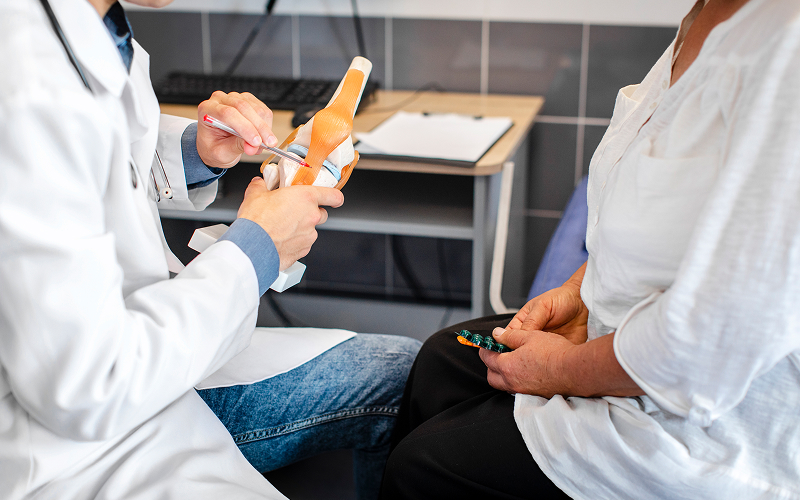
An assessment usually begins with questions about when the pain started, whether activity levels have changed and which movements make the discomfort worse. A foot and ankle specialist may then examine the area to identify the exact location of tenderness, swelling or thickening along the tendon.
Movement tests may be used to assess ankle flexibility, calf strength and the ability to rise onto the toes. The way the foot and ankle move during walking may also be observed.
An X-ray, ultrasound scan or MRI may be considered if more information is needed about the Achilles tendon, bursa, heel bone or surrounding tissues.
Sudden sharp pain, a popping sensation, marked weakness or difficulty pushing off the foot should be assessed promptly. These symptoms may be linked to an Achilles tendon rupture rather than a condition that has developed gradually.
Further evaluation by an orthopaedic specialist may be considered when symptoms persist, affect normal walking or remain unclear after an initial examination. Patients looking for orthopaedic assessment at Mount Elizabeth Novena can arrange a consultation to determine which structure may be contributing to the pain.
Why Does Identifying the Cause Matter?
Pain at the back of the heel can come from different structures, so the right management approach depends on what is causing the symptoms. A tendon-loading problem, for example, may need a different plan from pain linked to compression, footwear pressure or irritation around a bursa.
Identifying the affected area can help guide changes to activity, footwear and rehabilitation. It may also prevent the heel from being repeatedly aggravated by exercises or movements that are not suitable for the condition.
Conclusion
If you have persistent pain at the back of the heel, consider seeking an assessment rather than relying on self-diagnosis. An evaluation can help identify the affected structure and guide suitable management, which may include activity changes, physiotherapy or footwear adjustments.
Addressing the contributing factors early may help reduce ongoing irritation and support a gradual return to daily activities or exercise.
Specialist Orthopaedic Centre provides assessment and management for a range of foot, ankle and heel conditions. If the pain persists or begins to affect walking, exercise or daily activities, arrange a consultation with the team for further evaluation.