
Key Takeaways
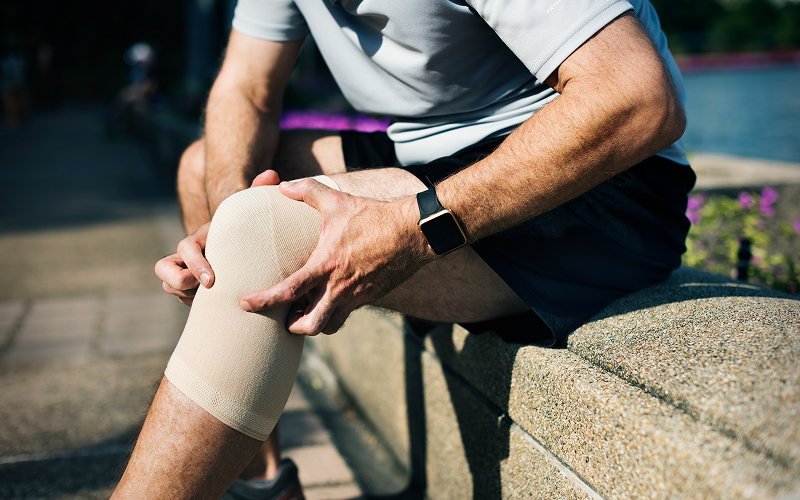
- The location of knee pain can offer useful clues about which structures may be affected, but it cannot confirm the cause on its own.
- Comparing inner knee pain vs outer knee pain can help distinguish between different patterns of injury, overuse, or joint changes.
- How the pain behaves during twisting, squatting, running, or weight-bearing can provide additional context during assessment.
- Persistent pain, swelling, locking, instability, or difficulty bearing weight may require further evaluation to identify the underlying problem.
What Can the Location of Your Knee Pain Tell You?
Where your knee hurts can offer useful clues about what may be causing the discomfort. Pain on the inner side of the joint can point to different structures from pain felt along the outer side, but location is only part of the picture.
When looking at inner knee pain vs outer knee pain, it also helps to consider how the pain started, which movements make it worse, and whether you notice swelling, locking, or a feeling of instability.
Here, we explore what pain on either side of the knee may suggest and how different symptom patterns can help narrow down the possible cause.
Why Pain Location Matters More Than It Seems
The knee is made up of several structures, including bones, cartilage, ligaments, tendons, and surrounding soft tissues. Because each one sits in a different part of the joint, where the pain is felt can sometimes help narrow down what may be involved.
When comparing inner knee pain vs outer knee pain, the location of the discomfort can help narrow down which structures may be involved. Inner knee pain may relate to structures on the medial side of the joint, while outer knee pain may involve structures on the lateral side.
Still, symptoms are not always clear-cut. Pain can spread, more than one structure may be affected, and the location of discomfort can change as you adjust the way you walk or move.
Inner Knee Pain: What May It Indicate?
Pain along the inner side of the knee is often described as medial knee pain. When comparing medial vs lateral knee pain, discomfort on the inner side may involve structures such as the medial collateral ligament, medial meniscus, or the medial part of the joint itself.
Medial Collateral Ligament Injuries
The medial collateral ligament, or MCL, runs along the inner side of the knee and helps keep the joint stable.
An injury can occur when force is applied to the outside of the knee, pushing it inward. This may happen during contact sports, a fall, or another sudden impact. Common symptoms include tenderness along the inner knee, swelling, and sometimes a feeling that the joint is unstable.
Medial Meniscus Problems
The medial meniscus is a piece of cartilage between the thigh bone and shin bone that helps absorb shock and distribute pressure through the knee.
It can be injured during twisting or pivoting movements, especially when the foot stays planted. Symptoms may include pain, swelling, stiffness, catching, or difficulty fully bending or straightening the knee.
Not all meniscus problems follow a sudden injury, though. Changes can also develop gradually over time.
Changes Within the Joint
Certain causes of inner knee pain are linked to gradual changes in the cartilage and other structures within the medial part of the joint. Over time, these changes may lead to discomfort that becomes more noticeable during walking, climbing stairs, standing for long periods, or other weight-bearing activities.
If inner knee pain persists or starts to interfere with everyday movement, an assessment by a knee specialist in Singapore can help identify which structures may be contributing to the symptoms.
Outer Knee Pain: What May It Suggest?
Pain along the outside of the knee is often described as lateral knee pain. Because different structures sit on this side of the joint, the causes and symptom patterns can differ from those linked to inner knee discomfort.
Iliotibial Band Irritation
The iliotibial band, or IT band, is a thick band of connective tissue that runs along the outside of the thigh towards the knee.
Repeated bending and straightening of the knee can irritate tissues around this area, particularly during activities such as running or cycling. The discomfort often develops gradually and may become more noticeable as activity continues.
Lateral Meniscus Problems
The lateral meniscus sits on the outer side of the knee and helps absorb shock and distribute pressure through the joint.
It can be affected by twisting, pivoting, or sudden loading movements. Symptoms may include pain along the outer joint line, swelling, stiffness, or sensations such as catching or locking.
Other causes of outer knee pain may involve nearby ligaments, tendons, or soft tissues. Because of this, how the pain started and which activities aggravate it can provide useful clues during an assessment.
What Else Can Your Knee Pain Pattern Tell You?
When comparing inner knee pain vs outer knee pain, it helps to look beyond where the discomfort is felt and consider how it behaves.
Pain triggered by twisting, pivoting, or deep squatting may suggest meniscal involvement, especially when catching or locking is also present. Discomfort after a sideways force or sudden change in direction may point more towards a ligament injury, while pain that builds gradually during running, cycling, or other repetitive activities may be linked to overuse.
The way the pain feels can offer further clues. Deep discomfort that is difficult to pinpoint may involve structures within the joint, whereas more localised tenderness may be linked to a ligament or surrounding soft tissue.
Symptoms can also change over time. When one area hurts, you may adjust the way you walk or place weight through the knee, which can shift stress to other structures and make discomfort noticeable elsewhere.
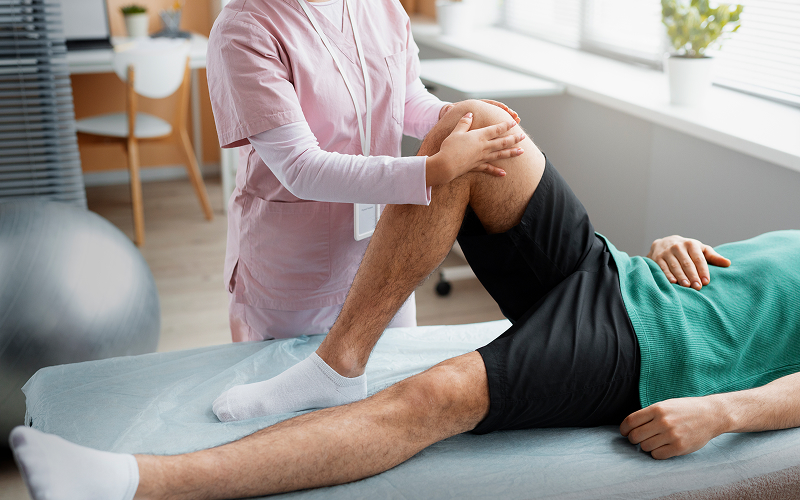
These patterns can help narrow down the possible causes, but they are not enough to confirm a diagnosis. If pain persists, swelling does not improve, the knee locks or gives way, or weight-bearing becomes difficult, an assessment at an orthopaedic clinic may be appropriate.
Treatment depends on the underlying cause and how much the condition is affecting the joint. Many knee problems can be managed without surgery. However, if an assessment shows advanced joint degeneration and symptoms remain difficult to manage with other treatments, options such as knee replacement surgery may be considered in selected cases.
Finding the Right Approach to Ongoing Knee Pain
When knee pain persists, understanding the difference between inner knee pain vs outer knee pain can be a useful starting point, but the next step is identifying what is actually causing the symptoms. A closer assessment can help determine which structures are involved and how the knee is responding to movement and everyday activity.
At Specialist Orthopaedic Centre, assessment may include reviewing how the symptoms started, checking the knee’s range of motion and stability, identifying movements that aggravate the pain, and considering imaging where appropriate. These findings help guide management based on the underlying condition and how it affects the individual’s daily activities.
If knee pain continues to affect your walking, exercise, work, or daily activities, arrange a consultation at Specialist Orthopaedic Centre for an assessment and treatment recommendations based on your condition.