Mount Elizabeth Novena Specialist Centre
Parkway East Medical Centre
1 Farrer Park Station Road, Connexion

Tag: plantar fasciitis

Post
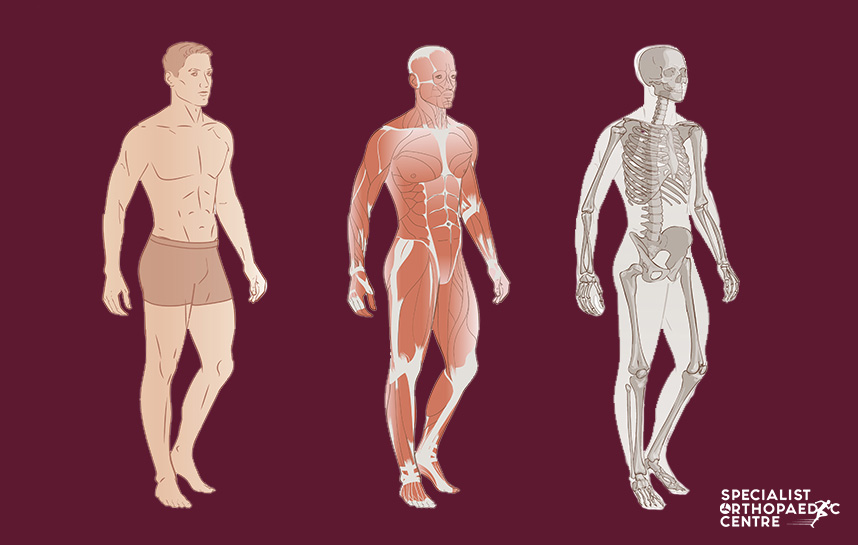
Your musculoskeletal system consists of bones, joints, ligaments, tendons, and muscles that help your body move from place to place. Orthopaedic Surgeons are specialists in the musculoskeletal system and are trained to treat acute, chronic, and degenerative disorders that can affect your mobility. The ultimate goal of an Orthopaedic Surgeon is to help patients recover from injuries and return to their normal activities. Read on to find out more about the role of an Orthopaedic Surgeon in different sports injuries. 1. Ankle Sprain Ankle sprains are among the most common lower-limb injuries encountered by Orthopaedic doctors in Singapore. Minor ankle sprains can cause pain and some swelling may also be observed. However if you encounter any of the following symptoms, it may be advisable to seek medical attention immediately. Foot deformity Extreme pain Numbness Hear a pop sound during the injury No improvement in injury after a week Treatments for minor ankle sprains usually include bed rest, elevation, compression, and ice to reduce swelling. More serious injuries can also have physiotherapy and rehabilitation to aid with recovery. If these treatment methods are not successful, then surgery to repair or reconstruct torn ligaments might be needed. Learn More: Tips For Preventing & Treating Orthopaedic Injuries In Sports 2. ACL Tear An ACL Injury is a tear to the Anterior Cruciate Ligament which connects your thigh bone to your shin bone. Symptoms of an ACL tear include a loud pop or popping sensation in your knee, severe pain, swelling, loss of range of motion, and instability or a lack of weight bearing in your knee.  Once diagnosed by a trained Orthopaedic doctor, treatment for an ACL tear begins with rehabilitative therapy. A knee brace might also be provided for better support, and you might need to walk with crutches to reduce stress on the knee. Rehabilitation can restore your knee’s full range of motion and help you return to daily activities. However if you’re an athlete or if your ACL tear is deemed to be severe, then your Orthopaedic Surgeon can recommend that you go for an ACL reconstruction surgery in Singapore. During this procedure, the damaged ligament is removed and replaced with a graft. 3. Fractures Bone fractures can happen due to trauma from a motor accident or a fall, or they can occur during contact sports. There are different types of fractures which are classified by the severity of the injury. Minor fractures can be managed by cast immobilisation where the broken bones are kept in position and allowed to heal naturally. For certain fractures, metal pins or screws are placed into the broken bones externally. The pins and screws are attached to a metal bar that helps stabilise and hold the bones in the proper place while they heal. For fractures that require internal fixation, the bone fragments are repositioned by an Orthopaedic doctor before screws or metal plates are attached to the outer surface of the bones. The fragments can also be held together by inserting rods through the centre of the bone. 4. Achilles Tendonitis Achilles Tendonitis is caused by overuse or strain of the achilles tendon at the back of your heel. It is more common as you age and athletes who participate in intense sports might also be more prone to achilles tendon injuries. Most cases of achilles tendonitis can be treated at an Orthopaedic clinic in Singapore with physical therapy or orthotic devices that help reduce the strain on your achilles tendon. However if your condition does not respond to these treatment methods, then surgical intervention can become necessary. Minimally invasive surgical options exist for achilles tendonitis where damaged and inflamed tissue is removed via small incisions. For patients with more extensive damage, surgical debridement and repair might be required. 5. Hamstring Strain Hamstring strains refer to partial or complete tears in one of the hamstring muscles. It is common in athletes, especially those who are involved in sudden sprints or jumps. Treatment  protocol usually involves rest, recovery, and physical therapy to help return to normal activities. Medications to help with pain and other symptoms may also be prescribed. For complete hamstring tears, surgery may be the only available option. Recovery time after a hamstring injury ranges from 3-6 months and a treatment plan will be laid out for you by your Orthopaedic doctor to slowly return to full fitness.  6. Plantar Fasciitis Plantar fasciitis is the inflammation of the band of tissue that runs at the bottom of your feet and connects your heel bone to your toes. Some risk factors for developing plantar fasciitis are obesity, age, foot mechanics, occupations, and activities that put pressure on your heel. Plantar fasciitis treatment primarily includes rest, physical therapy, orthotics, and walking boots. If these conservative treatment methods are unsuccessful, then surgery can be considered as a last resort. As an Orthopaedic Surgeon and a sub-specialist in lower limb disorders and surgical treatments, Dr Kannan Kaliyaperumal has treated patients presenting with a wide variety of ailments. Reach out to us today via our Contact Us Page to set up an appointment with our team or send in your questions and our support team will reply promptly.  
Post
Whether you’re an athlete, a fitness enthusiast, or even if you just play sports occasionally, you might face lower limb injuries at some point. They range from minor sprains to more serious cases like ligament tears or bone fractures. It’s important to identify the symptoms of some of the more common lower limb injuries and recognise when you need medical treatment. Especially when a consultation with an experienced orthopaedic doctor in Singapore is required for further evaluation. 1. Plantar Fasciitis The defining symptom of plantar fasciitis is a stabbing pain at the bottom of your feet, close to the heel. The risk factors for plantar fasciitis include age, physically taxing activities, and obesity. If you are in constant pain from your heel and it hasn’t improved after a few days, then it’s advisable to see a specialist. Pain from plantar fasciitis can cause patients to alter the way they walk causing issues down the road with the knees, and ankles. 2. Anterior Ankle Impingement Anterior ankle impingements occur when there’s damage or inflammation to the structures at the front of the ankle joint. Symptoms include pain while walking or running up inclines, doing squats, or landing after jumping exercises. Ignoring the pain that comes from anterior ankle impingement can exacerbate the condition. An orthopaedic doctor would be able to prescribe an activity program to build strength and flexibility in the ankle joint to aid recovery and prevent future injuries. 3. Shin Splints Shin splints refer to pain down the shin bone and is a common condition among runners. Other symptoms include tenderness, soreness, and swelling. The initial pain might stop after exercise, but with repeated usage and without adequate recovery it can progress into a stress fracture. Since shin splints usually occur due to overuse, the first line of treatment is to take a break from the activity that is causing the issue. An orthopaedic doctor would also be able to identify issues with flat feet, or overly rigid foot arches and prescribe orthotics as necessary. 4. ACL Tear The Anterior Cruciate Ligament (ACL) connects your thigh bone to the shin bone. ACL tears happen most often when engaged in sports that involve sudden stops or changes in direction. Signs of ACL injuries include a loud pop or popping sensation in the knee, swelling, pain, loss of range of motion, and inability to bear weight. ACL reconstruction surgery in Singapore is recommended for patients who have not recovered after physical therapy treatments or if the injury is deemed severe enough. Learn More: Helping Athletes Bounce Back To Form After Sports Injuries 5. Runner’s Knee Runner’s Knee, known medically as Patellofemoral pain syndrome, refers to pain localised around your kneecap. It causes dull aches that get worse during physical activity. The causes are varied with overuse, muscle imbalance, injury, and knee surgery all known risk factors. Improving strength, losing excess weight, and optimising technique are just some of the ways to help prevent Runner’s Knees. 6. Ankle Fracture An ankle fracture is an injury to the bones in the ankle. The severity of the condition can vary from tiny cracks in the bone to serious breaks which might require surgery. If you have an ankle fracture in Singapore, you might experience immediate pain, swelling, tenderness, bruising, and deformity. If there are any obvious deformities, it’s important to see a doctor as soon as possible to assess the seriousness of the fracture. 7. Ankle Ligament Tear Ankle ligament tears can range from minor tears that get better with at-home treatment protocols, to more severe ligament tears that might require further medical intervention. Physical therapy to strengthen ankles or orthotic devices to support your feet are options for treatment. In rare cases for severe tears, surgery can be performed to repair ligaments. Lower limb sports injuries happen often enough and can put you out of action for long periods of time. But taking preventive measures like wearing proper footwear, and maintaining strength and flexibility in your lower limbs, can reduce your risks of encountering such injuries. In the unfortunate case you do get injured, it’s important to seek timely medical attention and get your condition diagnosed by a qualified orthopaedic surgeon. Effective orthopaedic treatment that provides high-quality, comprehensive, and specialised care for patients has always been the aim of our orthopaedic clinic in Singapore. Contact us today to enquire about our services and set up an appointment with us to find out how we can help you.

Search