

Key Takeaways
- Pain on the inner side of the knee does not always indicate the same type of injury, even when symptoms appear similar.
- The way the injury occurred, together with symptoms such as swelling, locking or instability, can provide important clues about the affected structure.
- Different knee injuries may require different treatment approaches, making an accurate diagnosis important before starting management.
- Seeking medical assessment early for persistent pain, swelling or difficulty moving the knee can help support appropriate treatment and recovery.
Understanding Meniscus Tears and MCL Injuries
Pain along the inner side of the knee after a twist, sudden pivot or awkward landing can make it difficult to tell what has been injured. Two common possibilities are a meniscus tear and a medial collateral ligament (MCL) injury. Although both can cause pain around the inner knee, they involve different structures and often lead to different patterns of symptoms. In some cases, people are still able to walk after the injury, which may make it seem less serious than it actually is.
Comparing meniscus tear vs MCL tear injuries can help you understand why symptoms vary. The meniscus is a piece of cartilage inside the knee joint that cushions and supports movement, while the MCL is a ligament that helps stabilise the inner side of the knee. Because these structures serve different roles, injuries to them can affect how the knee hurts, swells, moves and feels during everyday activities.
Why These Two Injuries Are Often Confused
Meniscus tears and MCL injuries are commonly mistaken for one another because they can occur in similar situations. A twist while playing sport, an awkward landing, a slip or a sudden change in direction can all place stress on the inner side of the knee and result in either injury.
The early symptoms can also look very similar. Both injuries may cause pain along the inner knee, as well as swelling, stiffness, tenderness and difficulty walking comfortably. Some people are still able to bear weight shortly after the injury, which can make it seem less serious than it is.
The challenge is that these shared symptoms do not reveal which structure has been injured. A meniscus tear affects the cartilage inside the joint, while an MCL injury affects the ligament that supports the inner side of the knee. In some cases, both structures are injured at the same time, which is why a clinical assessment is important to identify the underlying cause and guide appropriate treatment.
Where the Injury Occurs Within the Knee
One way to understand the difference between these injuries is to look at where each structure is located and the role it plays in knee movement.
The Medial Collateral Ligament (MCL)
The MCL is a band of connective tissue that runs along the inner side of the knee. It helps stabilise the joint by limiting excessive inward movement and supporting the knee during activities such as walking, running and changing direction.
An MCL injury often occurs when the outer side of the knee is struck or when the knee is forced inward during sport, a fall or an awkward landing. Depending on the force involved, the ligament may be stretched or torn.
The Meniscus
The meniscus is a C-shaped piece of cartilage located inside the knee joint between the thigh bone and shin bone. Each knee contains two menisci: the medial meniscus on the inner side and the lateral meniscus on the outer side.
Its role is different from that of the MCL. The meniscus cushions the knee joint, helps distribute weight more evenly across the joint surfaces, absorbs shock during movement and allows the knee to move more smoothly.
This highlights one of the main differences between knee ligament and cartilage injuries. Ligament injuries are more likely to affect the stability of the knee, while cartilage injuries are more likely to interfere with how the joint bends, twists and bears weight.
Differences in How the Injury Happens
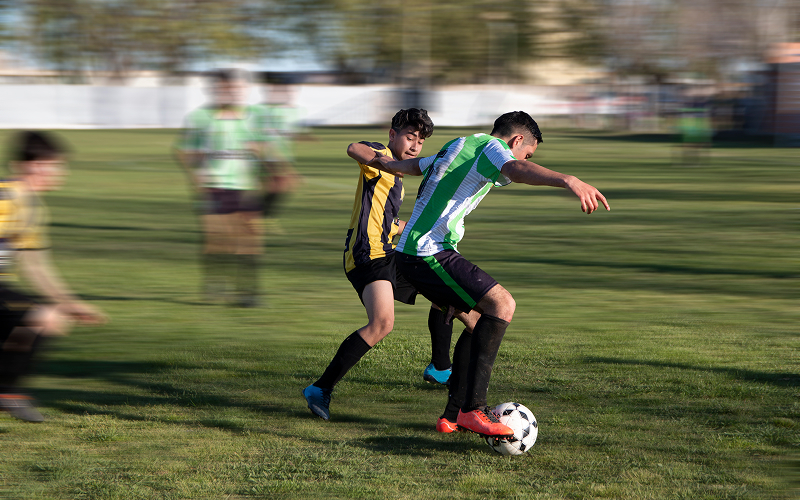
The way a knee injury occurs can also provide useful clues about which structure has been affected, although it is only one part of the overall assessment.
How an MCL Injury Usually Happens
An MCL injury is commonly caused by a force that pushes the knee inward. This may happen during contact sports when the outer side of the knee is struck, or after an awkward landing or fall that causes the knee to buckle.
Pain is often felt along the inner side of the knee immediately after the injury, although the severity can vary depending on the extent of the damage.
How a Meniscus Tear Usually Happens
A meniscus tear is more commonly linked to twisting movements while the knee is bent. This may occur during a sudden pivot, a quick change in direction, a deep squat or any movement where the foot remains planted while the body rotates.
While these injury patterns can point towards one condition or the other, they are not definitive. A single twisting injury can damage both the meniscus and the MCL if the knee is subjected to enough force. This is why the mechanism of injury should always be considered alongside the person’s symptoms, physical examination and, where appropriate, imaging findings.
Pain Patterns: Location and Behaviour
Although both injuries commonly cause pain along the inner side of the knee, the location and behaviour of the pain can offer useful clues about which structure has been affected.
Pain From an MCL Injury
Pain from an MCL injury is usually felt along the inner side of the knee, where the ligament runs. The area is often tender to touch, and discomfort may become more noticeable when changing direction, walking on uneven ground or placing sideways stress on the knee.
Because the MCL lies close to the surface, many people can point to the painful area quite accurately.
Pain From a Meniscus Tear
Pain from a meniscus tear is often felt deeper within the knee joint rather than at the surface. It may become more noticeable during twisting movements, squatting, kneeling or standing up from a low chair, when the cartilage is placed under greater pressure.
Some people experience a sharp pain only during certain movements, while others notice intermittent discomfort that comes and goes depending on how the knee is used.
Symptoms of an MCL tear vs a meniscus tear can sometimes overlap, particularly during the early stages after an injury. However, pain that becomes worse with sideways stress is more suggestive of an MCL injury, whereas pain that is triggered by twisting, bending, catching or deep knee movement is more commonly associated with a meniscus tear.
Movement Clues: Locking vs Instability
The way the knee behaves during movement can provide additional clues about the injured structure. Although neither symptom is enough to confirm a diagnosis, understanding the difference between knee locking vs instability can help explain why certain injuries feel different.
Locking and Catching May Suggest a Meniscus Tear
A meniscus tear may cause the knee to catch, click or lock during movement. Locking can feel as though the knee becomes temporarily stuck, making it difficult to fully bend or straighten. This can happen when a torn portion of the cartilage interferes with the normal movement of the joint.
Some people also notice a sharp pain during twisting movements, followed by the feeling that the knee needs to be repositioned before it can move freely again.
Instability Is More Common With an MCL Injury
An MCL injury is less likely to cause locking. Instead, the knee may feel unstable or less secure when bearing weight. Some people describe the sensation as though the knee might give way when walking, stepping sideways, changing direction or moving across uneven ground.
Swelling Patterns and Onset
Swelling can occur with both MCL injuries and meniscus tears, but it does not always develop in the same way.
Swelling With an MCL Injury
An MCL injury often causes swelling along the inner side of the knee, close to the injured ligament. Depending on the extent of the injury, bruising may also appear over the following days as the surrounding soft tissues heal.
Swelling With a Meniscus Tear
Swelling from a meniscus tear is often less immediate and may develop gradually over several hours or even the next day. Some people notice that the knee becomes stiffer or more swollen after walking, climbing stairs or other weight-bearing activities.
Because the swelling may be mild at first, it is not uncommon for people to delay seeking medical attention if they are still able to walk. However, ongoing swelling, recurring stiffness or repeated pain during twisting movements may indicate an injury that should be assessed.
How Each Condition Is Assessed
Because meniscus tears and MCL injuries can produce similar symptoms, assessment involves looking at the overall pattern of the injury rather than relying on any single sign or symptom.
Medical History and Physical Examination
The assessment usually begins with a discussion about how the injury happened, where the pain is located and which movements make the symptoms worse. Your doctor may also ask whether the knee locked, felt unstable, swelled immediately or became stiff over the following hours or days.
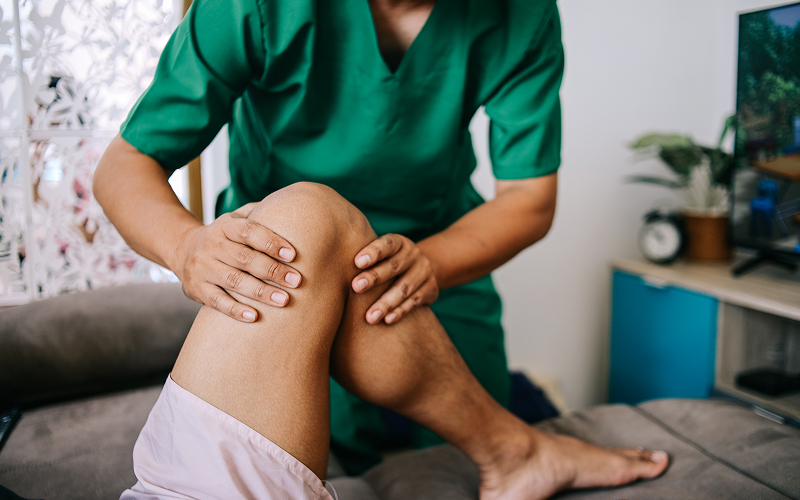
A physical examination can then help determine which structures may be involved. Different movements and gentle stress tests assess the stability of the knee, identify areas of tenderness and evaluate the knee’s range of motion. These findings help build a clearer picture of whether the symptoms are more consistent with an MCL injury, a meniscus tear or another knee condition.
Imaging Studies
Imaging may be recommended when symptoms are persistent, severe or suggest that more than one structure has been injured.
Although X-rays do not show ligaments or cartilage, they can help rule out fractures or other bony injuries following trauma. If a soft tissue injury is suspected, an MRI may be used to assess the meniscus, ligaments and other structures within the knee in greater detail.
For people comparing between meniscus tear and MCL tear injuries, imaging can help confirm which structure has been affected and identify any associated injuries that may influence treatment decisions.
Why the Difference Matters for Management
Although meniscus tears and MCL injuries can cause similar symptoms, they do not always require the same treatment. Management depends on several factors, including the structure involved, the severity of the injury, your symptoms, activity level and overall knee health.
Managing an MCL Injury
Many MCL injuries can be managed without surgery. Depending on the severity of the injury, treatment may include temporary bracing, activity modification and a rehabilitation programme to restore strength, stability and knee function.
The goal is to allow the ligament to heal while gradually helping you return to your usual activities.
Managing a Meniscus Tear
Not all meniscus tears require surgery. Some can be managed conservatively, particularly when symptoms are mild and there is no significant locking or restriction of movement.
However, persistent pain, recurrent swelling, catching, locking or ongoing difficulty using the knee may indicate the need for further assessment. Depending on the type of tear, its location and the overall condition of the knee, treatment may involve rehabilitation or surgery.
Because these injuries can produce similar symptoms, it is not always possible to distinguish between them based on pain or swelling alone. An assessment by a knee specialist can help identify the underlying cause of your symptoms and determine the most appropriate treatment plan.
If more complex knee conditions are identified, an orthopaedic clinic in Singapore can advise on the available treatment options, which may range from rehabilitation and other non-surgical approaches to knee replacement surgery for advanced degenerative knee conditions where clinically appropriate.
Finding the Cause of Inner Knee Pain
Although inner knee pain can have several causes, it is not always possible to tell the difference between a meniscus tear and an MCL tear based on symptoms alone. Because these injuries can overlap and even occur together, persistent pain, swelling, locking or instability should be assessed to identify the underlying cause and determine the most appropriate treatment.
At Specialist Orthopaedic Centre, we assess a wide range of knee conditions, including ligament injuries, meniscus tears and other causes of knee pain. Following a thorough evaluation, our doctor will explain the findings and discuss treatment options that are appropriate for your condition, lifestyle and recovery goals.
If you have ongoing inner knee pain or are unsure whether your symptoms are due to a meniscus tear, an MCL injury or another knee condition, contact Specialist Orthopaedic Centre to arrange a consultation.