
Key Takeaways
- Knee bursitis occurs when a fluid-filled sac around the knee becomes irritated, causing localised swelling that often sits outside the joint.
- Repeated kneeling, direct impact and, less commonly, infection are among the common causes of swelling around the kneecap.
- The location of the swelling, together with your symptoms and a physical examination, helps distinguish the condition from other causes of knee pain and swelling.
- Persistent, recurring or worsening symptoms should be assessed promptly to identify the underlying cause and determine appropriate treatment.
Knee Bursitis: Why Does Swelling Develop Around the Knee?
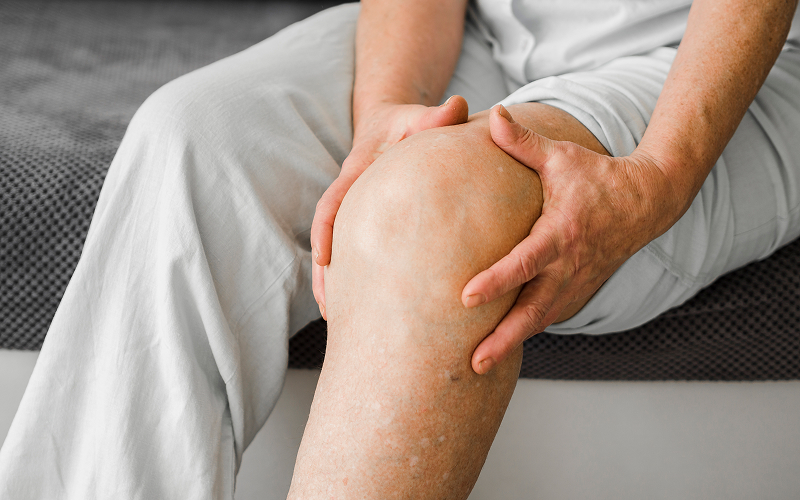
Not every swollen knee is caused by a problem inside the joint. In some cases, the swelling develops just beneath the skin, forming a soft lump over or around the kneecap. This may be a sign of knee bursitis, a condition that affects one of the small fluid-filled sacs surrounding the knee.
These sacs, called bursae, act as cushions between the skin, tendons, muscles and bones, helping these tissues move more smoothly during everyday activities. When a bursa becomes irritated, it may produce excess fluid and swell. Determining whether the swelling comes from a bursa or from within the knee joint can help guide further assessment and appropriate management.
Why Some Knee Swelling Feels “Superficial” Rather Than Deep
Swelling within the knee joint often creates a feeling of pressure throughout the joint, making the knee feel full, tight or difficult to bend rather than swollen in one specific area.
Swelling caused by an inflamed bursa tends to feel different. Because bursae sit between the skin, tendons and bones, inflammation may create a soft, localised lump that is easy to see or feel. The swelling often appears to sit on top of the knee instead of deep within the joint.
This difference in location helps explain why some people develop a noticeable lump while still being able to move their knee relatively well. By comparison, fluid in the knee joint usually causes a more generalised feeling of tightness because the swelling is contained within the joint capsule.
The appearance of the swelling alone cannot determine the cause. Cysts, injuries, infection and other conditions can produce similar symptoms, so persistent or unexplained knee swelling should be assessed rather than self-diagnosed.
What Triggers a Bursa to Become Inflamed?
A bursa may become inflamed when it is exposed to repeated irritation or a sudden injury. Common triggers include:
Repeated pressure
- Frequent kneeling during work, household chores, exercise or religious activities.
- Using little or no knee protection when kneeling.
- Remaining in the same kneeling position for prolonged periods.
Direct impact
- Falling onto the knee.
- Striking the kneecap against a hard surface.
- Sports-related collisions or other blunt trauma.
Some people may describe this as swelling at the front of the knee. It can build up slowly from repeated pressure or happen suddenly after a fall or direct hit to the knee.
Less commonly, bacteria can enter a bursa through broken skin, such as a scrape, puncture wound or insect bite. If the swelling is accompanied by increasing redness, warmth, drainage, fever or chills, seek medical attention promptly, as an infected bursa requires a different approach to treatment than irritation caused by pressure or injury.
Where the Swelling Appears and Why It Matters
The location of the swelling can provide useful clues about which bursa may be affected. While the position of the lump alone cannot confirm a diagnosis, it often helps guide further assessment.
Different bursae are located around the knee, so swelling may develop in different areas:
Over the kneecap
- Commonly associated with prepatellar bursitis.
- The swelling often appears as a soft, rounded lump at the front of the knee.
Below the kneecap
- May involve a bursa near the patellar tendon.
On the inner side of the knee
- Pain or swelling slightly below the joint line may involve the pes anserine bursa.
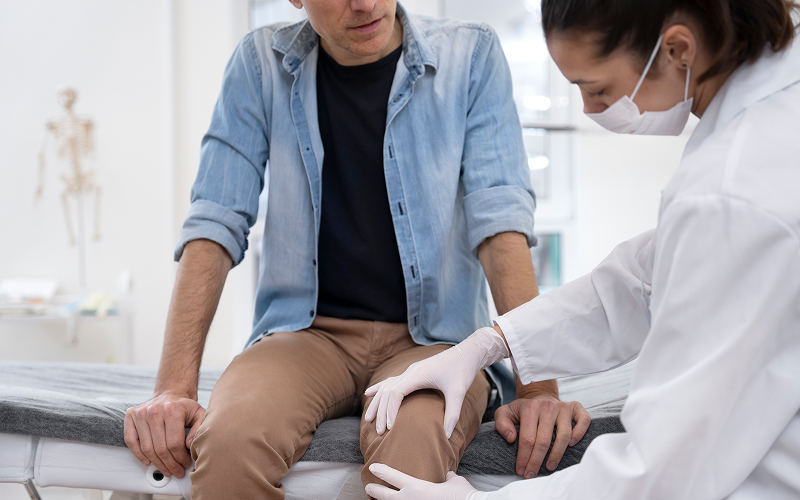
A doctor may compare both knees, identify the most tender area and observe how the swelling changes as the knee moves. These findings, together with your symptoms and medical history, help determine whether further investigations are needed.
When Swelling Starts to Affect Movement
In the early stages, knee bursitis may only cause discomfort when direct pressure is applied to the affected area. Kneeling, crawling or resting the front of the knee against a hard surface may be uncomfortable, even if walking and other daily activities remain relatively unaffected.
As the swelling becomes more noticeable, you may experience:
- Pain when kneeling or squatting.
- Discomfort when bending the knee.
- Tenderness when pressure is applied over the swollen area.
- Reduced movement because the swollen tissues become stretched or compressed as the knee bends.
These symptoms do not necessarily mean that something inside the joint is physically blocking movement. Instead, the discomfort often comes from the swollen tissues overlying the affected bursa.
During an assessment, a doctor may examine the knee for warmth, skin changes, tenderness and range of movement. Imaging is not always necessary, but an X-ray, ultrasound or MRI may be recommended if another injury or underlying condition is suspected.
Why Some Cases Keep Coming Back
Symptoms may return if the affected bursa continues to be exposed to the same source of irritation. Swelling can improve with rest or activity modification but recur when frequent kneeling or prolonged pressure on the knee resumes.
Reducing the risk of recurrence may involve:
- Using knee pads or other suitable protective equipment during activities that require kneeling.
- Taking regular breaks if prolonged kneeling cannot be avoided.
- Adjusting work, exercise or daily activities to reduce pressure on the affected area.
These measures help address the underlying cause of the irritation rather than simply managing the visible swelling.
Recurring symptoms may also warrant assessment for other underlying conditions, such as infection, gout or inflammatory disorders. An orthopaedic specialist may review your symptoms, medical history, occupation, daily activities and exercise habits before deciding whether further investigations are needed.
Treatment Options for Knee Bursitis
Treatment depends on the cause of the inflammation, the severity of the swelling and whether infection is present. Many non-infected cases can be managed without surgery.
Reducing Pressure on the Bursa
The initial focus is usually on reducing further irritation and allowing the bursa to recover. Depending on your symptoms, this may include:
- Temporarily avoiding activities that place repeated pressure on the knee.
- Wearing knee pads or other suitable protection during work or recreational activities.
- Applying ice with a cloth placed between the cold pack and the skin.
- Elevating the leg where appropriate.
- Using gentle compression if recommended by a healthcare professional.
Recovery varies from person to person and depends on factors such as the severity of the inflammation and whether the knee continues to be exposed to repeated pressure.
A knee doctor in Singapore can determine whether these measures are appropriate or whether your symptoms may be caused by another condition.
Aspiration and Further Assessment
If the swelling is large, persistent or raises concerns, aspiration may be recommended. During this procedure, a needle is used to remove fluid from the bursa.
In addition to relieving pressure, the fluid may be analysed if infection or gout is suspected, helping to guide further treatment.
If bacteria are identified as the cause, antibiotics may be required. Symptoms such as fever, spreading redness, increasing warmth or feeling generally unwell should be assessed promptly, as they may indicate an infection rather than irritation from pressure or injury.
Managing Persistent or Recurrent Swelling
If symptoms continue despite activity modification and supportive care, additional treatment may be considered. Depending on the underlying cause, this may include rehabilitation, aspiration or an injection where appropriate.
Surgical removal of the affected bursa is uncommon but may be considered if the swelling repeatedly interferes with daily activities, does not improve with other treatments or is associated with a persistent infection.
If your symptoms persist or continue to return, a knee specialist in Singapore can assess the underlying cause and discuss suitable treatment options based on your condition.
Recognising Where Knee Swelling Comes From
Knee bursitis can cause swelling that develops outside the knee joint, often forming a soft lump over or around the kneecap. Because several conditions can cause similar symptoms, an assessment is important to identify the underlying cause and determine the most appropriate management.
Specialist Orthopaedic Centre assesses and treats a range of musculoskeletal conditions, including knee pain, swelling and soft tissue injuries. After evaluating your symptoms and examination findings, your doctor will discuss the available treatment options based on your individual condition.
If you are experiencing persistent or recurring knee swelling, contact Specialist Orthopaedic Centre to arrange a consultation.